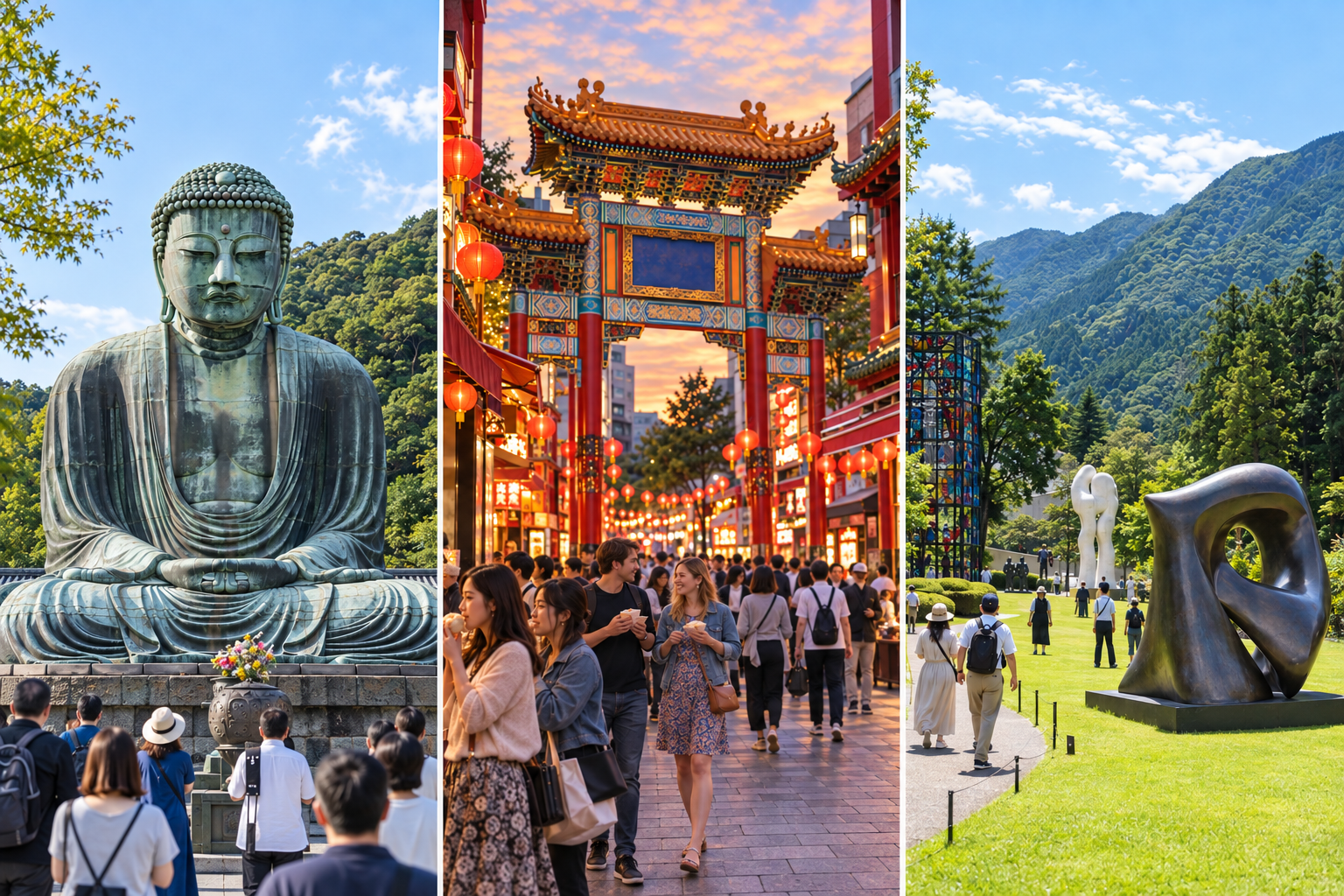
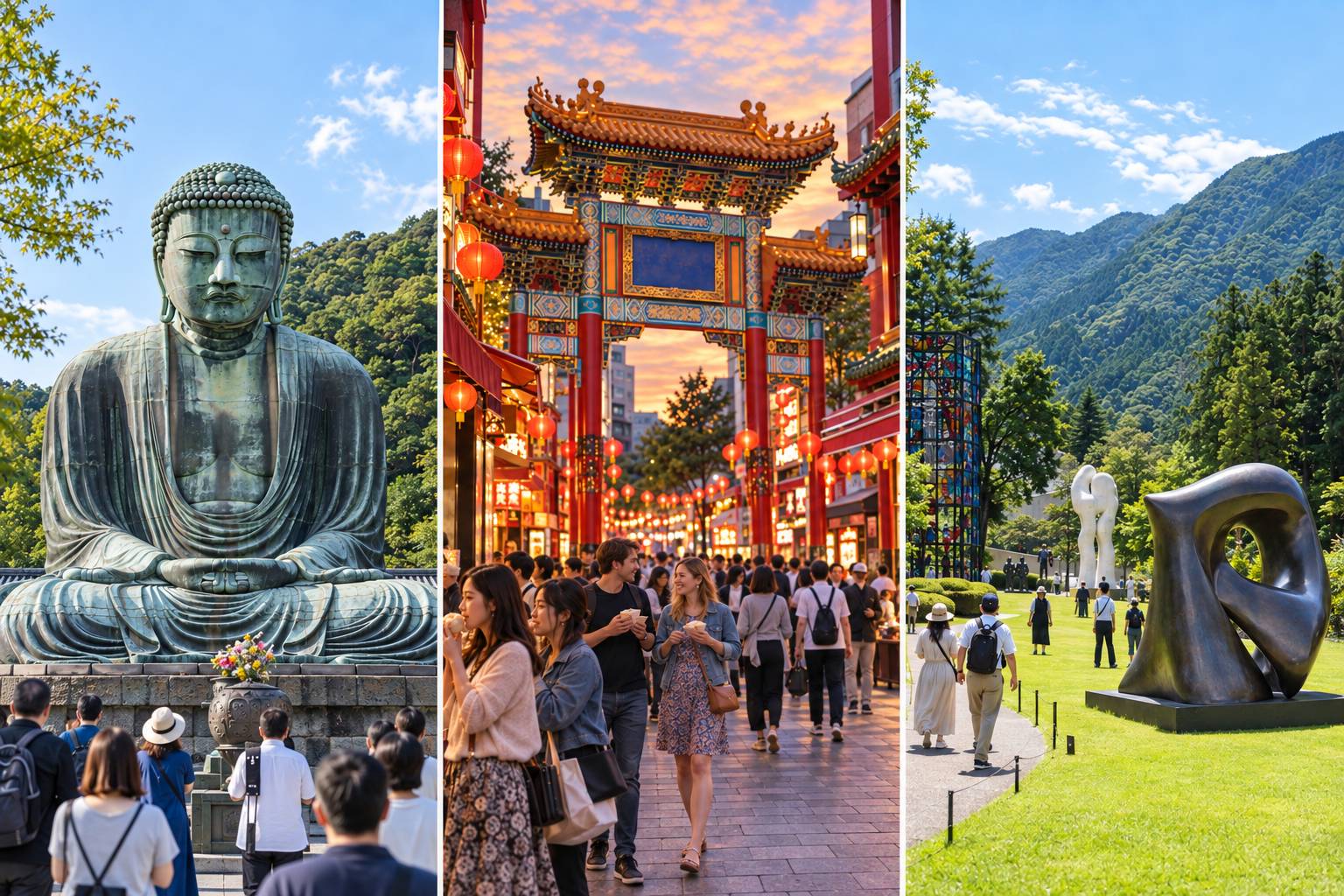
Kanagawa Prefecture Travel Guide | Recommended Spots to Enjoy History, Culture, and Cuisine, and How to Get There
Kanagawa Prefecture Travel Guide | Recommended Spots to Enjoy History, Culture, and Cuisine, and How to Get There
2026-10-14
Here’s a look at what makes Kanagawa Prefecture so special. We’ll cover everything from classic tourist spots—such as the Great Buddha of Kamakura, Yokohama’s Chinatown, and Owakudani in Hakone—to transportation from Tokyo and the airport, local cuisine, and suggested itineraries. This travel guide is perfect for anyone visiting Kanagawa for the first time.
2026-10-14
What Is Kanagawa Prefecture Like?
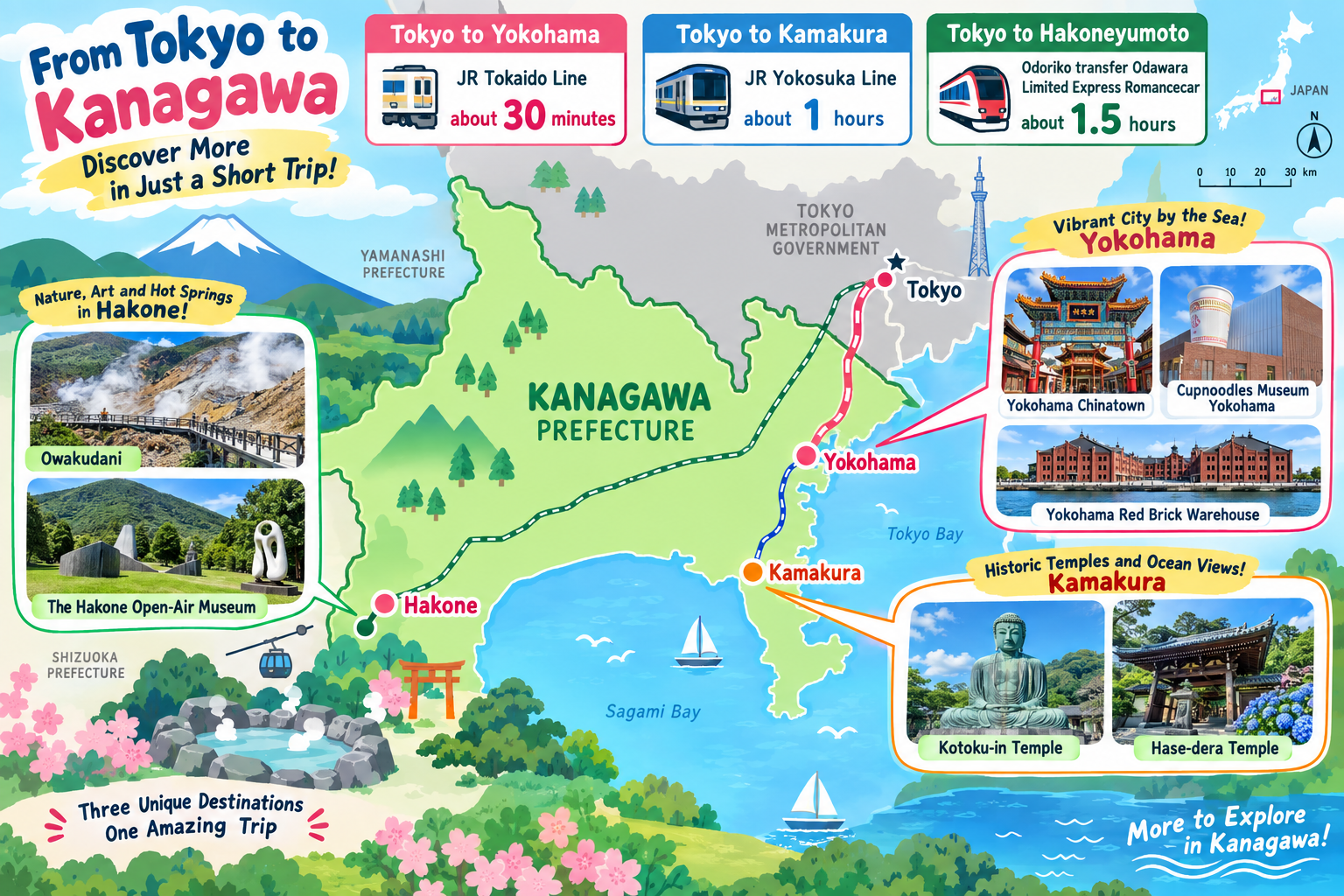
Kanagawa Prefecture is located south of Tokyo. It’s a popular destination where the number of foreign visitors has more than doubled over the past decade. There are three major tourist destinations: Yokohama, a port city where you can enjoy a lively downtown atmosphere; Kamakura, where you can experience the charm and history of an ancient capital; and Hakone, a hot spring resort rich in natural beauty. In this article, we’ll explore the appeal of Kanagawa—a region easily accessible from Tokyo that offers tourist destinations, each with its own unique atmosphere.
Facing Tokyo Bay and Sagami Bay, the region is home to a variety of tourist destinations, each with its own unique character, including Yokohama—the prefectural capital—as well as Kamakura and Hakone.
In Yokohama, visitors can enjoy the harbor town’s scenery, Chinatown, and modern cityscape. Kamakura is home to the Great Buddha of Kamakura and historic temples. In Hakone, travelers are greeted by hot springs, volcanic landscapes, and art museums nestled in nature.
The area is easily accessible by train from Tokyo, and day trips are possible if you narrow down your destinations. It is highly recommended for those who wish to enjoy a wide range of experiences, including history, culture, art, cuisine, and nature.
Historical Background
In the late 12th century, the “Kamakura Shogunate,” a government led by samurai, was established in Kamakura. As a result, many shrines and temples deeply connected to samurai culture still remain today.
Yokohama, on the other hand, developed as a hub for foreign trade following the opening of its port in 1859. The architecture around the harbor and in Yokohama’s Chinatown reflect a culture nurtured by international exchange.
Culture and Traditions
In Kamakura, you can experience Japan’s religious culture by visiting Buddhist temples and Shinto shrines. In Yokohama, you can enjoy both historic port facilities and a modern cityscape.
Hakone is known as a hot spring resort. In addition to its hot springs, it attracts visitors with its volcanic landscapes and artworks displayed amidst nature.
Local Specialties and Food Culture
In Kanagawa Prefecture, you can enjoy cuisine that varies by region. Yokohama’s Chinatown is home to a diverse array of Chinese restaurants, while Kamakura is known for its shirasu (baby sardine) dishes. In Hakone, hot spring manju (steamed buns) and Owakudani black eggs are local specialties.
Why It’s Recommended for First-Time Visitors
With Yokohama, Kamakura, and Hakone—each offering distinct characteristics—you can choose your destination based on your interests. Rail access from Tokyo is excellent, and you can even enjoy sightseeing in Yokohama or Kamakura on a day trip.
However, we do not recommend trying to visit all three—Yokohama, Kamakura, and Hakone—in a single day. Taking the time to explore each area allows you to experience their unique charms more deeply.
Reasons for the Increase in Foreign Tourists Visiting Kanagawa Prefecture
Kanagawa Prefecture is close to Tokyo, making it easy to incorporate into a trip to Japan. From port towns and historic temples to hot spring resorts and volcanic landscapes, travelers can choose from a variety of experiences to suit their interests.
Trends in the Number of Foreign Overnight Visitors to Kanagawa Prefecture
The number of foreign visitors staying in Kanagawa Prefecture has more than doubled over the past 10 years. The following factors contribute to the region’s growing popularity among foreign travelers:
Easy rail access from Tokyo to Yokohama and Kamakura
The Kamakura Great Buddha and the scenic views of Hakone are well-known through photos and videos
Opportunities to experience Japanese culture, such as visiting temples and enjoying hot springs
The chance to enjoy regional cuisine, such as Yokohama’s Chinatown and Kamakura’s shirasu dishes
It is easy to combine urban sightseeing with nature and historical attractions
Yokohama Port serves as a port of call for international cruise ships
With three major tourist destinations offering a variety of scenic views, Kanagawa Prefecture is a region that can easily be incorporated into travel plans alongside a visit to Tokyo
Must-See Tourist Attractions in Kanagawa Prefecture
Kotoku-in Temple / Great Buddha of Kamakura
Kōtoku-in is a Jōdo-shū temple located in the Hase area of Kamakura City. Within the temple grounds stands the “Kamakura Daibutsu,” a large bronze statue of Amida Nyorai seated outdoors. The Great Buddha is said to have been created in the 13th century.
Highlights
The Kamakura Daibutsu, approximately 11 meters tall
Its serene expression and intricate bronze detailing
The scenery, unique to an outdoor setting, changes with the seasons and weather
Why It’s Recommended for International Travelers
This is a place where you can see Buddhist art from the Kamakura period up close. Since it’s within walking distance of Hase-dera Temple, you can combine a visit to both temples into a single tour.
Access
It’s about a 7-minute walk from Hase Station on the Enoshima Electric Railway, commonly known as the “Enoden.” Take the Enoden from JR Kamakura Station and get off at Hase Station.
Travel Tips
An admission fee is required.
It gets crowded on weekends and during long holidays.
Please check the official website before your visit to confirm whether tours inside the Great Buddha are available and the reception hours.
Yokohama Chinatown
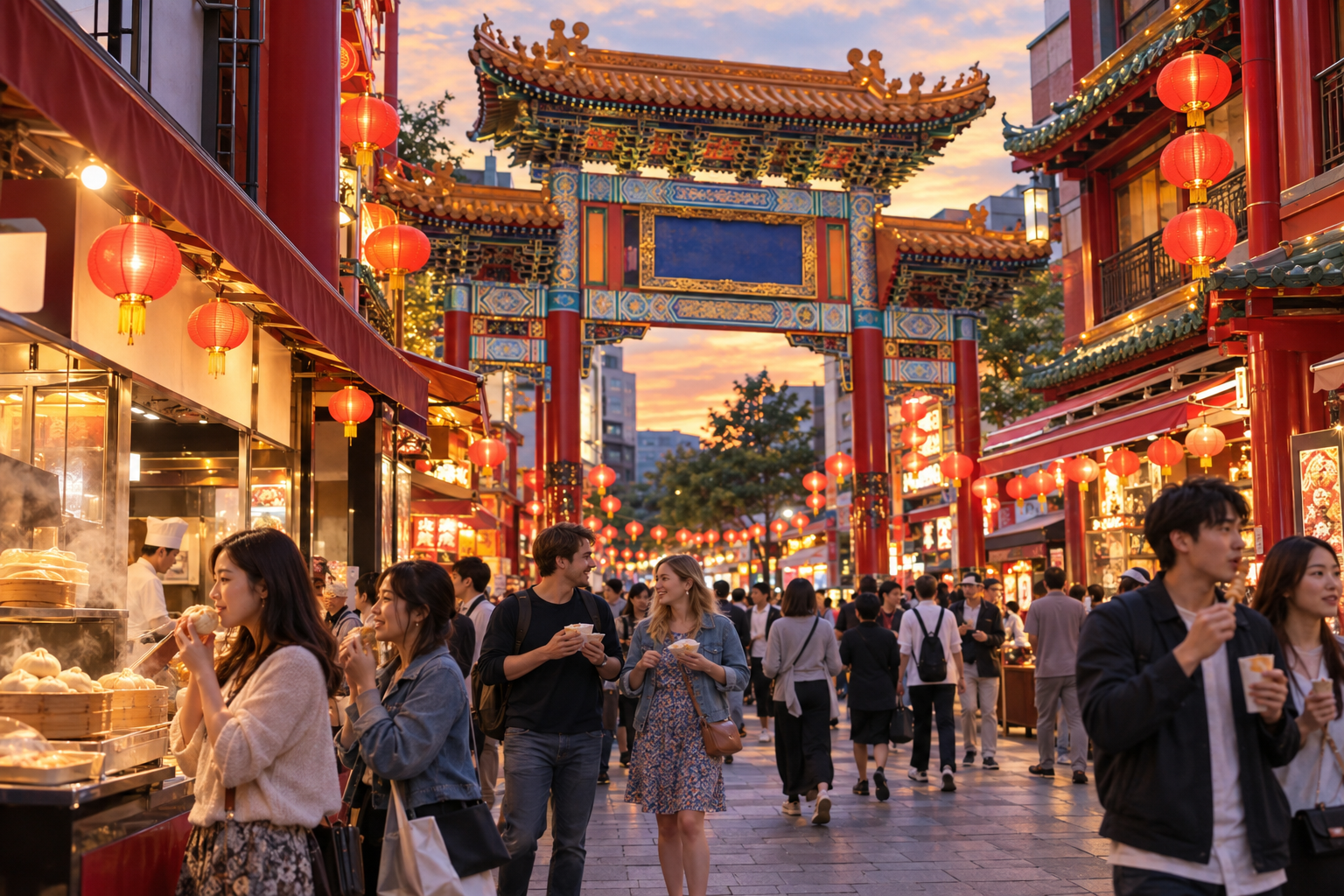
Yokohama Chinatown is one of Japan’s largest Chinatowns, located in Yokohama City. It developed following the opening of Yokohama’s port through the daily lives and commercial activities of people who came from China. Today, it is a vibrant tourist area filled with Chinese restaurants, grocery stores, and variety shops.
Highlights
Colorful “Pailou” Gates
Chinese restaurants and dim sum specialty shops
Shops selling Chinese ingredients and sundries
Snacks perfect for eating on the go
Why It’s Recommended for International Travelers
With a wide variety of cuisines and price ranges, you can enjoy both dining and strolling through the neighborhood at the same time. It’s a place where you can experience Yokohama’s history as a port city and its multicultural atmosphere.
Access
It’s just a short walk from “Motomachi-Chinatown Station” on the Minatomirai Line. It’s also within walking distance from JR “Ishikawacho Station.”
Travel Tips
The area gets crowded on weekends, holidays, and during lunch and dinner hours.
Some shops may only accept cash.
When eating while walking around, please follow the instructions posted at each shop and in the surrounding area.
The Hakone Open-Air Museum
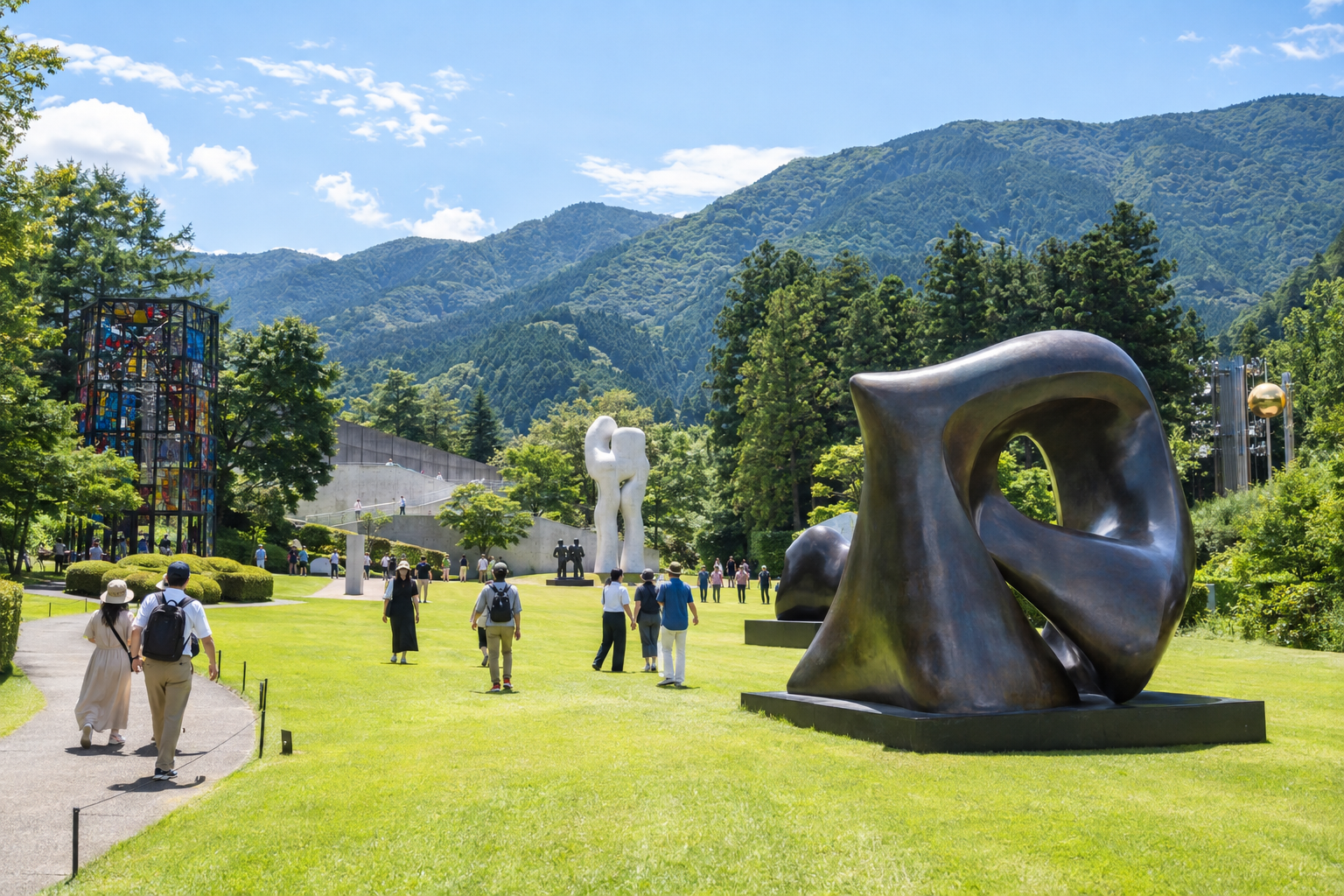
The Hakone Open-Air Museum is an outdoor art museum located in Hakone Town. Opened in 1969, it offers visitors the chance to view sculptures from Japan and abroad on grounds surrounded by mountains.
Highlights
Sculptures displayed amidst nature
Picasso Pavilion
Interactive artworks and exhibits
Footbaths on the grounds
Why It’s Recommended for International Travelers
Unlike indoor museums, you can enjoy art while strolling through Hakone’s natural surroundings. Not only the artworks themselves, but also the mountain scenery and the changing seasons are part of the experience.
Access
It’s about a 2-minute walk from “Hakone Open-Air Museum Station” on the Hakone Tozan Railway. If traveling from Odawara Station, you’ll need to transfer at stations such as Hakone-Yumoto Station. Please check a train schedule service in advance for the total travel time, including transfer connections.
Travel Tips
An admission fee is required.
Since you’ll be walking outdoors, we recommend wearing comfortable shoes and clothing appropriate for the weather.
Depending on the weather, some exhibits or areas may be closed.
Cupnoodles Museum Yokohama
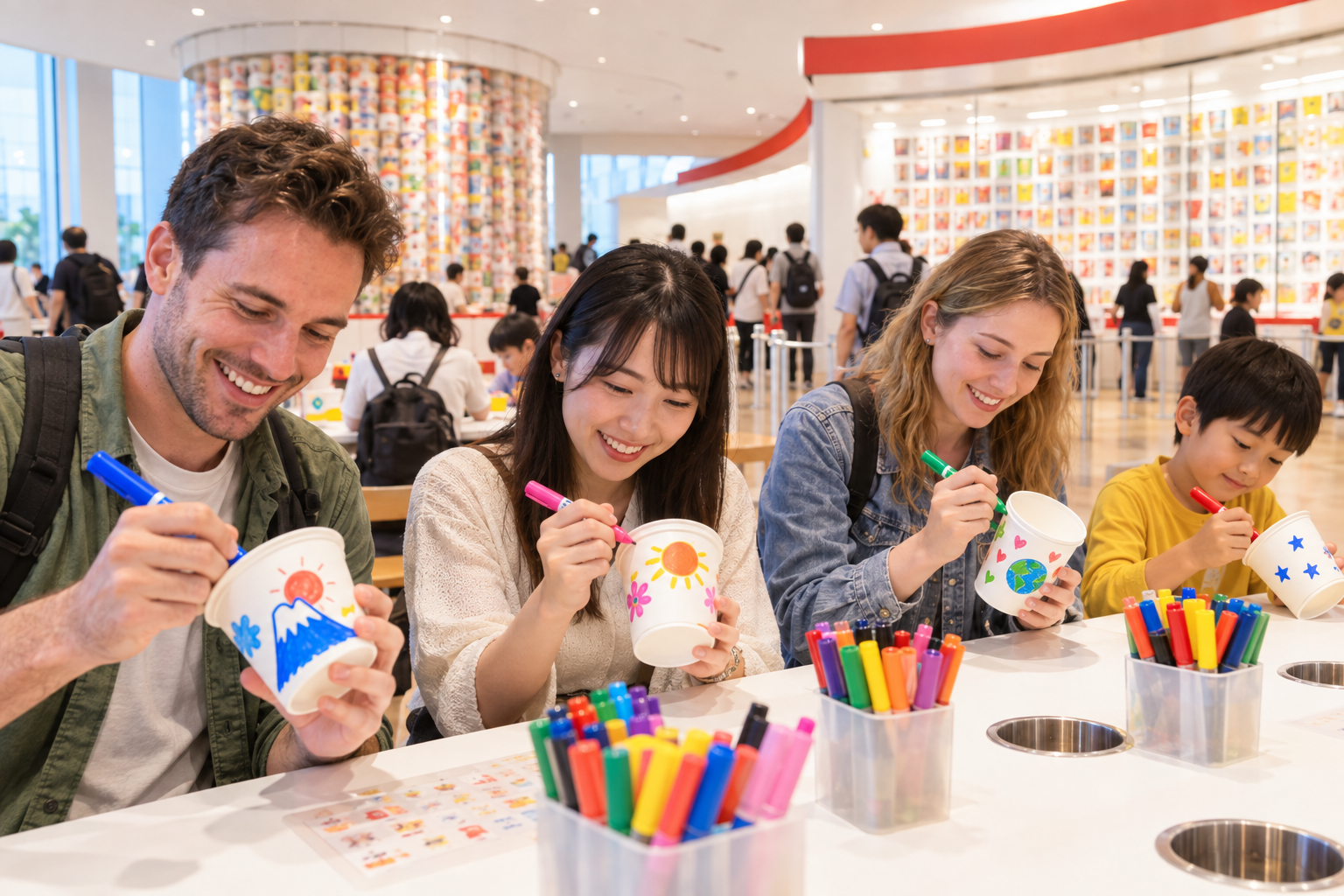
The Cup Noodles Museum Yokohama is a hands-on museum where visitors can learn about the history and invention of instant ramen. In addition to learning about the background of the invention through the exhibits, visitors can also enjoy designing their own cup.
Highlights
Exhibits introducing the history of instant ramen
“My Cup Noodles Factory,” where you can make your own original Cup Noodles
Hands-on programs centered on food and invention
Why It’s Recommended for International Travelers
You can learn about instant ramen—a favorite around the world—from the perspective of Japanese invention and food culture. The Cup Noodles you make yourself will also serve as a great souvenir of your trip.
Access
It’s about an 8-minute walk from “Minato Mirai Station” or “Bashamichi Station” on the Minato Mirai Line. You can also combine this visit with a walk to the Yokohama Red Brick Warehouse.
Things to Note When Traveling
Admission and activity fees may apply.
Depending on the activity, reservations or numbered tickets may be required.
The facility tends to get crowded on weekends and holidays, so please check the official website for the latest visitor information.
Owakudani
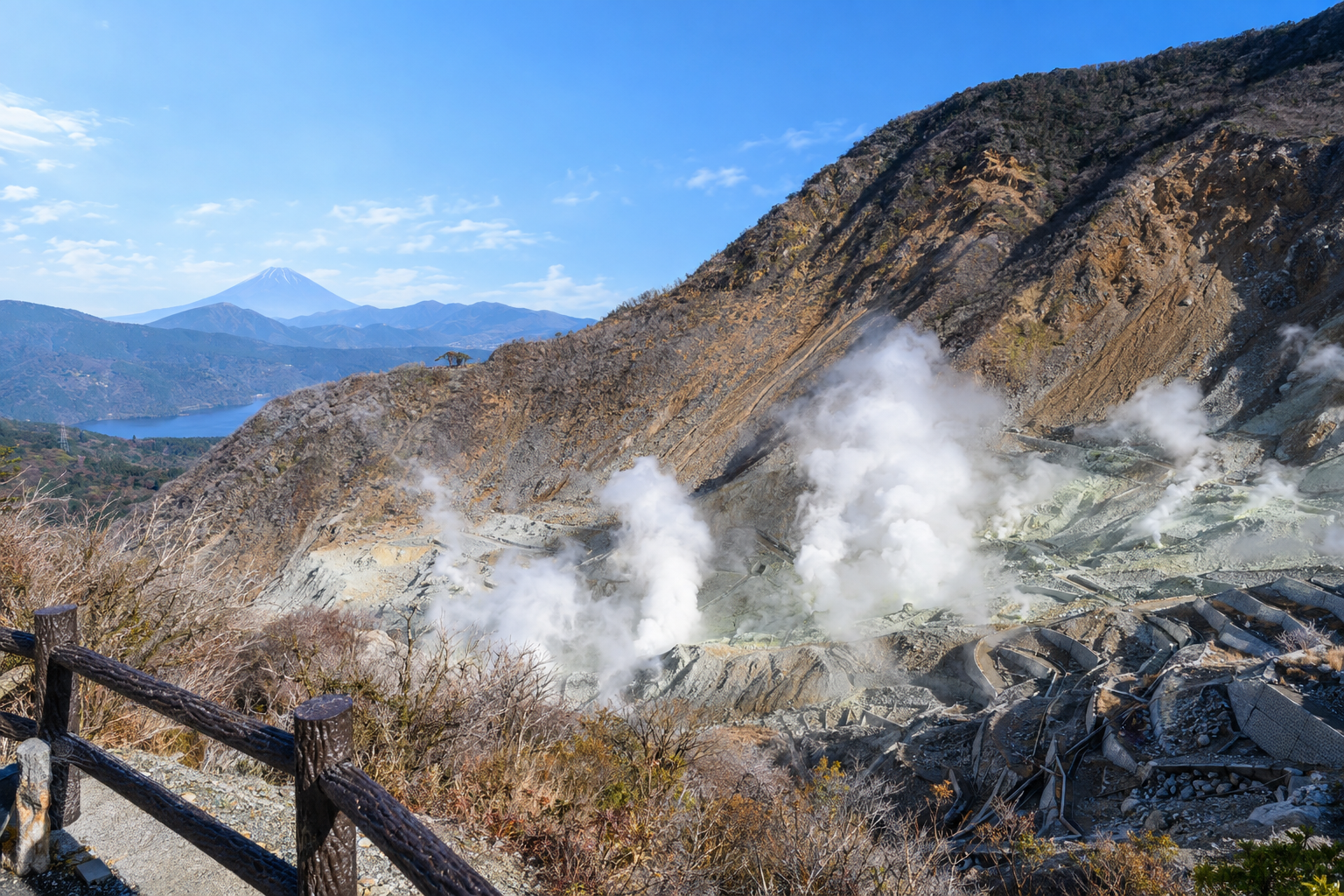
Owakudani is a tourist area where you can see the landscape formed by the activity of the Hakone volcano. The landscape, where steam still rises today, allows you to feel the power of Hakone’s nature.
Highlights
A volcanic landscape with white steam rising
Views of Mount Fuji on Clear Days
Famous Black Eggs
Views from the Ropeway
Why It’s Recommended for International Travelers
You can view Japan’s volcanic landscape from a location equipped with well-developed tourist facilities. Riding the ropeway is also one of the highlights of sightseeing in Hakone.
Access
Take the Hakone Ropeway and get off at “Owakudani Station.” The ride from Sōunzan Station to Owakudani Station takes approximately 10 minutes.
Travel Precautions
Depending on volcanic gas levels and weather conditions, access restrictions or cable car service suspensions may occur.
If you have respiratory or cardiovascular conditions, please check the official precautions before visiting.
Visibility of Mount Fuji depends on the weather.
Yokohama Red Brick Warehouse
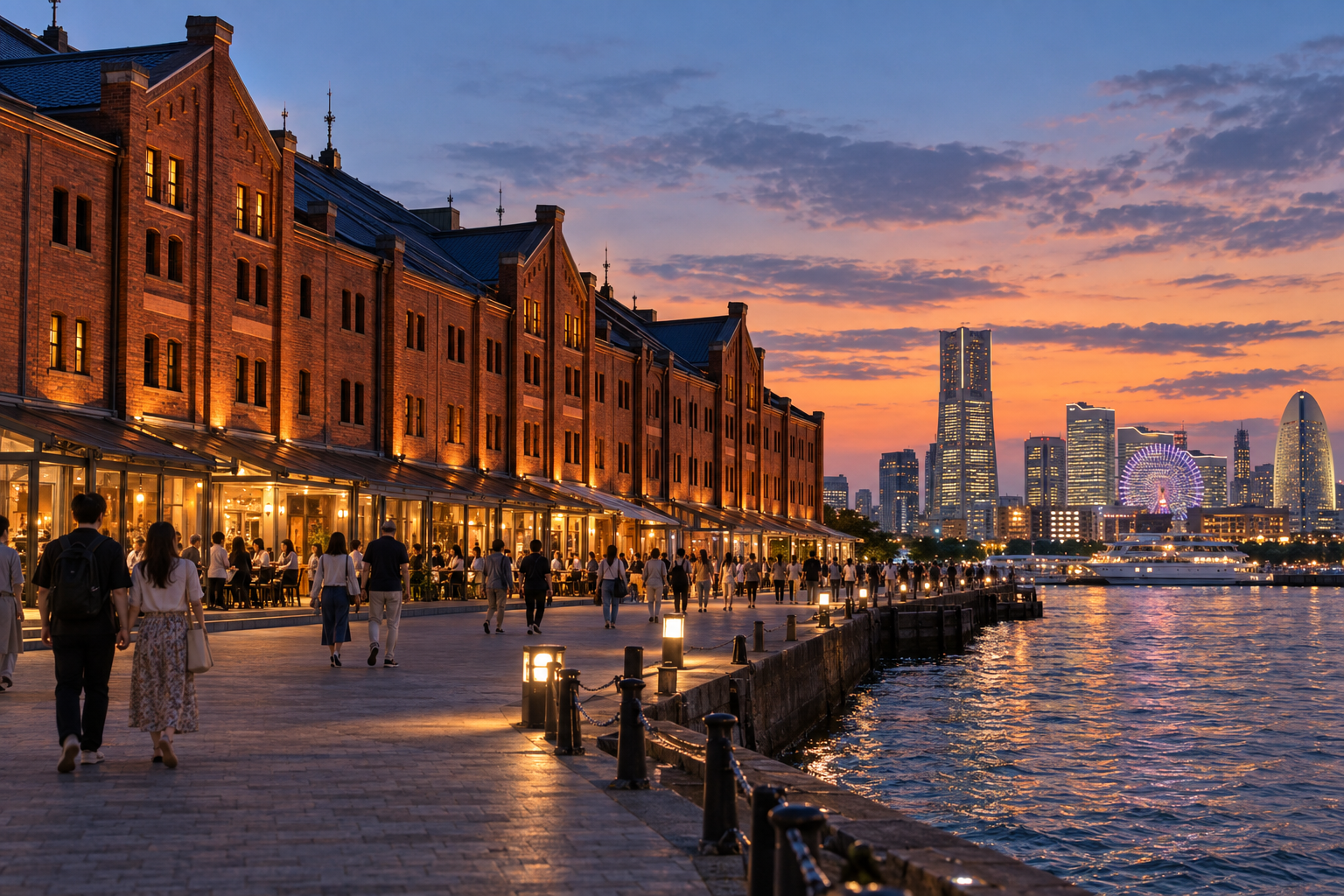
The Yokohama Red Brick Warehouses are a commercial and cultural complex housed in historic brick buildings along the Port of Yokohama. They were once used as bonded warehouses for the port. Today, they are home to shops and restaurants, and seasonal events are held in the surrounding plaza.
Highlights
Historic brick buildings
Shops and restaurants
A plaza offering views of the harbor
Seasonal events and nighttime scenery
Why We Recommend It to International Travelers
You can enjoy shopping and dining while experiencing the history of Yokohama’s development as a port city. It’s an easy spot to combine with a visit to the Cup Noodles Museum Yokohama or Minato Mirai.
Access
It’s accessible on foot from “Bashamichi Station” or “Nihon-odori Station” on the Minato Mirai Line. The walking time varies depending on the exit and route, but it generally takes about 6 to 10 minutes.
Things to Keep in Mind When Traveling
Admission to the buildings is generally free, but separate charges apply for food and drink, shopping, and paid events.
The area gets crowded during events and on weekends.
Please check the official website for event dates and operating hours.
Hase-dera Temple
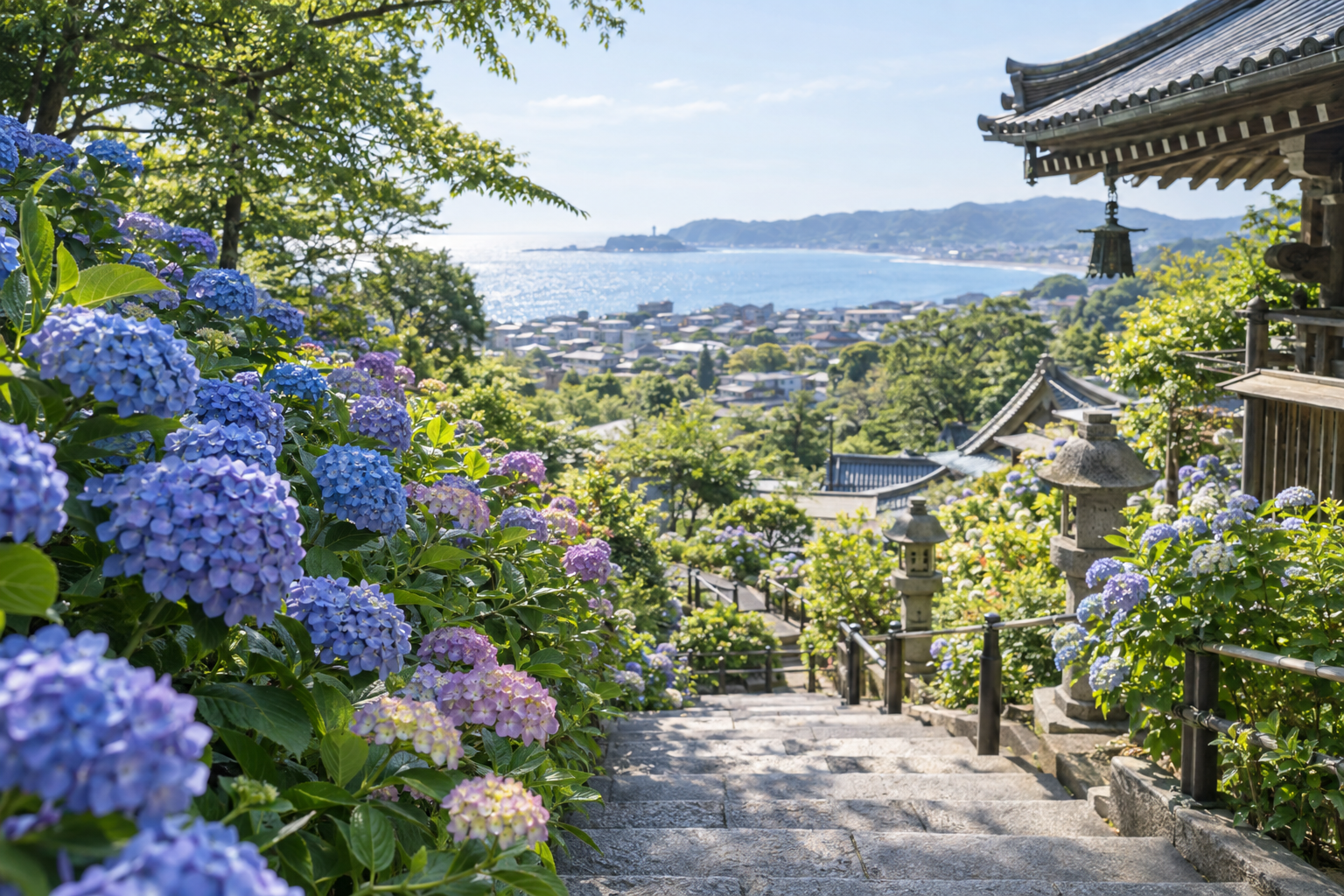
Hase-dera is a historic temple located in the Hase area of Kamakura City. It is said to have been founded in 736 and is known for its principal image, the Eleven-Faced Kannon Bodhisattva. The Eleven-Faced Kannon is a statue of Kannon said to have faces facing in various directions, watching over the people.
Highlights
The principal image of the Eleven-Faced Kannon Bodhisattva
The temple grounds blooming with seasonal flowers
A viewpoint overlooking Sagami Bay
Hydrangeas in early summer
Why It’s Recommended for International Travelers
Visitors can enjoy not only the temple’s history and Buddhist culture but also its gardens and ocean views. Another attraction is its convenient location, just a short walk from Kotoku-in, home to the Great Buddha of Kamakura.
Access
It is about a 5-minute walk from Hase Station on the Enoden Line. You can also walk there from Kotoku-in.
Things to Note When Visiting
An admission fee is required.
There are stairs and slopes within the temple grounds.
It gets particularly crowded during hydrangea season. Admission procedures may change, so please check in advance.
Photography may be restricted in certain areas, such as inside the main hall.
The most convenient departure stations and train lines vary depending on your destination within Kanagawa Prefecture. Deciding in advance whether you’re heading to Yokohama, Kamakura, or Hakone will make it easier to choose your route.
Toward Yokohama
From Tokyo Station, you can take the JR Tokaido Line or the JR Keihin-Tohoku Line to Yokohama Station. The Tokyu Toyoko Line is also a convenient option from Shibuya Station.
Tokyo Station to Yokohama Station: About 25–40 minutes
Shibuya Station to Yokohama Station: About 30 minutes
Transfer: Not required, depending on the train you take
To reach Yokohama Chinatown or the Red Brick Warehouses, it’s convenient to transfer to the Minatomirai Line or other lines at Yokohama Station.
Toward Kamakura
From Tokyo Station, the most common route is to take the JR Yokosuka Line to Kamakura Station. From the Shinjuku Station area, you may be able to take a direct train on the JR Shonan-Shinjuku Line.
Tokyo Station to Kamakura Station: About 1 hour
Shinjuku Station to Kamakura Station: About 1 hour
Transfers: Not required if using a direct train
To visit the Great Buddha of Kamakura or Hase-dera Temple, transfer to the Enoden at Kamakura Station and get off at Hase Station.
Toward Hakone
From Shinjuku Station to Hakone-Yumoto Station, you can take the Odakyu Romancecar. The Romancecar is a limited-express train with reserved seating.
Shinjuku Station to Hakone-Yumoto Station: About 1 hour and 30 minutes
From Tokyo Station to Odawara Station: About 35 minutes via the Tokaido Shinkansen
Beyond Odawara Station: Transfer to the Hakone Tozan Railway or a bus
When using the Romancecar, you’ll need a limited-express ticket in addition to your regular fare ticket. We recommend booking early for weekends and long holidays.
Access to Kanagawa Prefecture from Major Cities such as Osaka and Kyoto
From Osaka and Kyoto
From the Osaka and Kyoto areas, you can take the Tokaido Shinkansen. Shin-Yokohama Station may be more convenient for sightseeing in Yokohama, while Odawara Station may be more convenient for sightseeing in Hakone.
From Shin-Osaka Station to Shin-Yokohama Station: Approximately 2 hours and 15 minutes
From Kyoto Station to Shin-Yokohama Station: Approximately 2 hours
From Shin-Osaka Station to Odawara Station: Travel time varies depending on the type of train (number of stops) and transfers
To travel from Shin-Yokohama Station toward Yokohama Station, use JR lines or the Yokohama Municipal Subway. If heading to Kamakura, transfer to a JR line at Yokohama Station or another station.
To travel from Odawara Station toward Hakone, use the Hakone Tozan Railway or buses.
From Nagoya
The journey from Nagoya Station to Shin-Yokohama Station takes approximately 1 hour and 20 minutes via the Tokaido Shinkansen. If you’re heading to Hakone, be sure to check which trains stop at Odawara Station.
On the Tokaido Shinkansen, whether a train stops at Odawara Station depends on the train type. Be sure to check the stopping stations and transfer details before making a reservation.
Access to Kanagawa Prefecture from the Nearest Airports
Haneda Airport in Tokyo offers convenient access to major tourist destinations in Kanagawa Prefecture. You can also travel from Narita Airport via train or airport shuttle bus.
From Haneda Airport
You can reach Yokohama Station via the Keikyu Line or the airport shuttle bus.
Keikyu Line: Travel time to Yokohama Station is approximately 25–30 minutes.
Airport Limousine Bus: There are routes to Yokohama Station and the Minato Mirai area.
To go to Kamakura, transfer to the JR Line at Yokohama Station or another station. To go to Hakone, it’s a good idea to check train routes that pass through Yokohama Station or Odawara Station.
Bus travel times vary depending on traffic conditions. Destinations and frequency may also change, so please check before traveling.
From Narita Airport
From Narita Airport to Yokohama Station, you may be able to take a direct JR “Narita Express” limited express train. Travel time varies by train, but it generally takes about 1 hour and 30 minutes to 2 hours.
If you’re heading from Yokohama to Kamakura or Hakone, you’ll need to transfer to another train. When planning your travel on the day of arrival, be sure to factor in the time required for immigration procedures.
Getting Around Kanagawa Prefecture
Areas Easy to Explore on Foot
In Yokohama, it’s easy to combine visits to Minato Mirai, the Cup Noodles Museum Yokohama, and the Yokohama Red Brick Warehouses on foot. Since Yokohama Chinatown is a bit farther away, it’s convenient to use the Minato Mirai Line or other trains to get there.
In Kamakura, you can walk between Hase-dera Temple and Kotoku-in Temple (home to the Great Buddha of Kamakura). The Enoden is a convenient way to travel between Kamakura Station and the Hase area.
Trains and Ropeways
Enoden: Connects Kamakura and Fujisawa, making it convenient for sightseeing in Hase and the Enoshima area.
Minato Mirai Line: Can be used to travel to Yokohama Chinatown and the surrounding Minato Mirai area.
Hakone Tozan Railway: Used to travel from Hakone-Yumoto to tourist spots in the mountains.
Hakone Ropeway: Convenient for accessing Owakudani.
Buses & Sightseeing Passes
In Hakone, you’ll likely combine trains, buses, cable cars, and ropeways to get around. Since the sightseeing area is quite extensive, it’s a good idea to plan your route in advance.
There are also sightseeing passes, such as the “Hakone Free Pass,” that allow you to use eligible modes of transportation. Before purchasing, please check the official website for coverage areas, validity periods, and policies regarding service suspensions.
Gourmet & Cultural Experiences to Enjoy in Kanagawa Prefecture
Chinese Cuisine in Yokohama Chinatown
In Yokohama Chinatown, you can enjoy a wide variety of Chinese cuisine, including dim sum, noodle dishes, Cantonese cuisine, and Sichuan cuisine. If you want to sample multiple flavors in a short amount of time, opting for light meals is also a good option.
Shirasu Dishes in Kamakura
In the Kamakura area, dishes like shirasu rice bowls are popular. Depending on fishing conditions and the weather, fresh shirasu may not be available on certain days. If you want to be sure you can enjoy it, check with the restaurant before visiting.
Hot Springs in Hakone
In addition to hot springs at lodging facilities, Hakone also has facilities that offer day-trip bathing. When bathing, please observe Japanese hot spring etiquette, such as washing your body before entering the bath.
For visitors with tattoos, usage policies vary by facility. Please check in advance, including whether private baths are available.
Cup Noodles Making Experience
At the Cup Noodles Museum in Yokohama, the experience of making your own Cup Noodles using a cup you’ve designed is very popular. Since the experience details and participation requirements are subject to change, please check them before your trip.
Temple Tour in Kamakura
In Kamakura, you can visit many temples and shrines in addition to Kotoku-in and Hase-dera. Please be considerate of others visiting the temples and refrain from taking photos in areas where photography is prohibited.
Owakudani Black Eggs
Black eggs are a specialty of Owakudani. The shells turn black during the boiling process, which utilizes the heat from the hot springs. Availability may vary depending on weather conditions and facility operating hours.
Recommended Itinerary for First-Time Visitors to Kanagawa Prefecture
1-Day Itinerary: Exploring Kamakura and Yokohama
Morning: The Great Buddha of Kamakura and Hase-dera Temple
Take the Enoden Line from Kamakura Station to Hase Station. After viewing the Great Buddha of Kamakura at Kotoku-in Temple, walk to Hase-dera Temple.
You should plan on spending about 2 to 3 hours in total for visiting these two sites and traveling between them.
Lunch: Shirasu Dishes in Kamakura
Have lunch in the Hase area or around Kamakura Station. Enjoy local specialties such as shirasu rice bowls.
Afternoon: Stroll Through Yokohama Chinatown
Take the JR Line from Kamakura Station toward Yokohama, then transfer to the Minatomirai Line at Yokohama Station and head to Motomachi-Chinatown Station.
Enjoy a stroll and some shopping in Yokohama Chinatown while taking in the sight of the paifang and the streetscape.
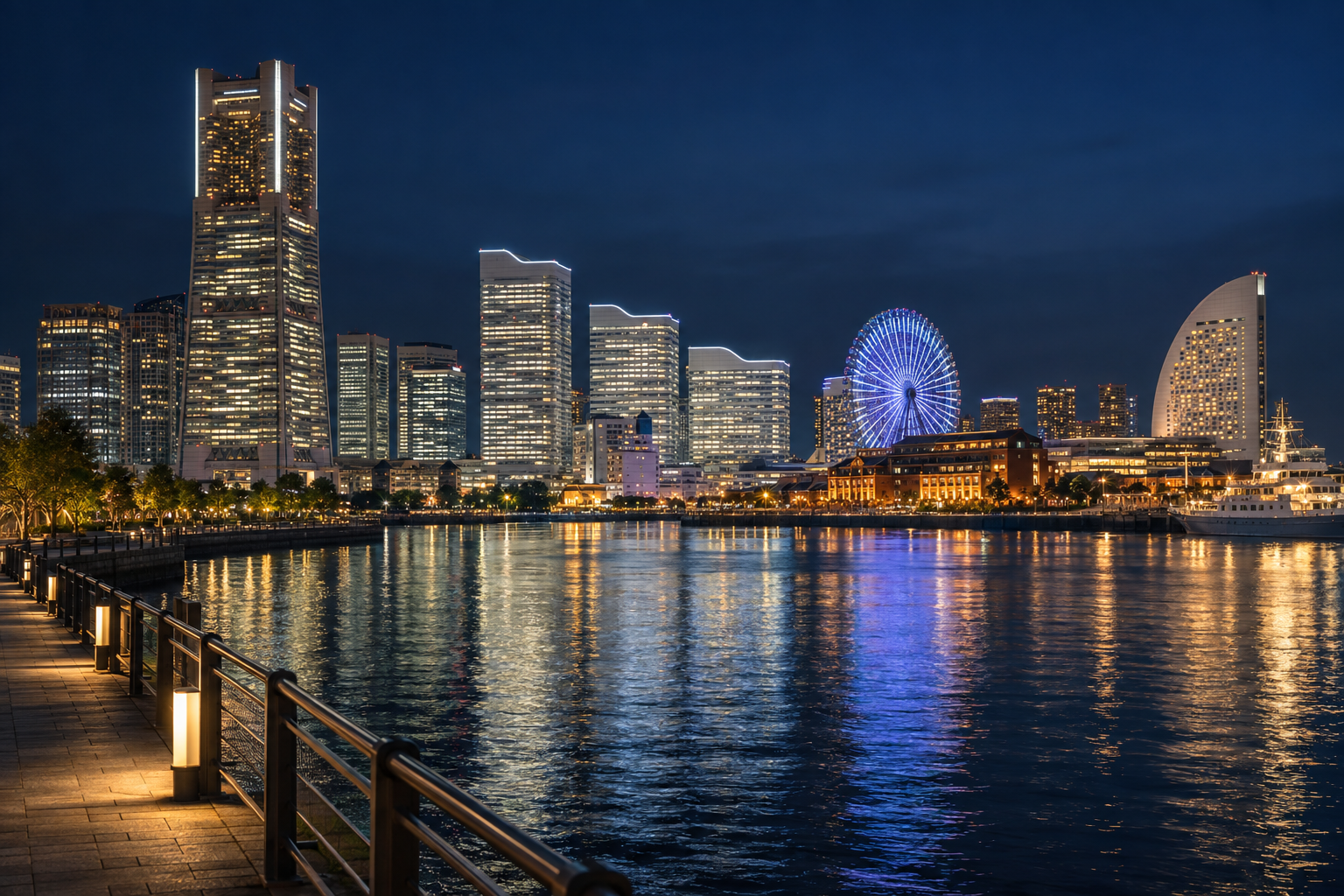
Evening: Enjoy the Views of Yokohama’s Harbor Town
Take the Minato Mirai Line or another train to the area around the Red Brick Warehouses. After strolling along the harbor, head back toward Yokohama Station.
If you’re visiting both Kamakura and Yokohama on the same day, it’s important to narrow down the places you’ll visit. Be sure to allow plenty of time for travel and meals.
2-Day, 1-Night Model Itinerary: Leisurely Enjoying Yokohama and Kamakura
Day 1: Yokohama’s Harbor Town and Culinary Culture
Morning
Arrive in Yokohama and visit the Cup Noodles Museum Yokohama. If you plan to participate in hands-on programs, be sure to check the participation guidelines in advance.
Lunch
Have lunch in the Minato Mirai area.
Afternoon
Walk to the Yokohama Red Brick Warehouses. Tour the historic buildings and enjoy the shops and harbor views.
Evening
Take the Minato Mirai Line to Yokohama Chinatown for dinner. Afterward, stay at a hotel in Yokohama.
Day 2: Kamakura’s Temples and Ocean Views
Morning
Travel from Yokohama Station to Kamakura Station, then take the Enoden Line to Hase Station. Visit Kotoku-in Temple to see the Great Buddha of Kamakura.
Lunch
Enjoy dishes featuring shirasu (baby sardines) and other local specialties in the Hase area or around Kamakura Station.
Afternoon
Visit Hase-dera Temple. After enjoying the flowers on the temple grounds and the scenic viewpoints, return to Kamakura Station.
Evening
Travel from Kamakura Station toward Tokyo or to your next destination.
If Visiting Hakone
If you’d like to visit the Hakone Open-Air Museum and Owakudani, we recommend a separate two-day, one-night trip centered around Hakone. Since you’ll need to transfer between several modes of transportation in Hakone, avoid cramming your trip with travel to and from Yokohama or Kamakura on the same day; staying overnight at a hot spring resort will allow you to enjoy your visit at a leisurely pace.
If you plan to see the hydrangeas at Hase-dera Temple around June, expect particularly heavy crowds. Be sure to check the bloom status and admission details, and aim to visit early in the day.
Summary
Kanagawa Prefecture is a travel destination where you can enjoy the history of Kamakura, the port town culture of Yokohama, and the volcanic landscapes and hot springs of Hakone. It’s close to Tokyo, and Yokohama and Kamakura are ideal for day trips.
If you stay overnight, you can enjoy dinner and the night views in Yokohama, then take a leisurely stroll through Kamakura the next day. If you prioritize hot springs and nature, we recommend planning your itinerary around Hakone. Be sure to visit Kanagawa Prefecture on your next trip to Japan.