Saitama Prefecture Tourism Guide | Recommended Spots to Enjoy History, Culture, and Cuisine, and How to Get There
Saitama Prefecture Tourism Guide | Recommended Spots to Enjoy History, Culture, and Cuisine, and How to Get There
2026-10-14
This guide provides an easy-to-understand introduction to the charms of Saitama Prefecture. It covers everything from classic tourist spots—such as Hikawa Shrine, the Railway Museum, the Bell of Time in Kawagoe, and the traditional storehouse-style townscape—to transportation from Tokyo and the airport, local cuisine, and suggested itineraries. It’s a practical guide perfect for first-time visitors to Saitama.
2026-10-14
What Is Saitama Prefecture Like?
Saitama Prefecture borders Tokyo to the north. One of its major advantages is that it’s easy to visit by train in combination with sightseeing in Tokyo. Popular spots among foreign visitors include the Railway Museum in the Omiya area, as well as Kawagoe Hikawa Shrine and the Kawagoe Ichiban-gai Shopping Street in the Kawagoe area, where you can stroll through a townscape featuring traditional storehouse-style buildings that retain the atmosphere of the Edo period. This article introduces the charms of Saitama Prefecture.
Saitama Prefecture is a landlocked prefecture with no coastline. However, it boasts a diverse range of tourist attractions, including urban areas, historic castle towns, mountainous regions rich in natural beauty, and hot spring resorts. For first-time visitors, the Omiya and Kawagoe areas are highly recommended, as they are easily accessible from Tokyo for a day trip.
Historical Background
Kawagoe City developed during the Edo period as the castle town of the Kawagoe Domain. Due to its proximity to Edo, it played a vital role in the distribution of goods and the local economy.
Kawagoe still features buildings constructed in the “kurazukuri” style, characterized by earthen walls and tiled roofs. Kurazukuri is a traditional architectural style designed for high fire resistance to protect buildings from fires. These streetscapes convey the atmosphere of a commercial city from the Edo to the Meiji periods.
“Little Edo” is a term used to describe areas where one can experience the culture and streetscapes of Edo—the name for Tokyo during the Edo period. Kawagoe is home to an area known as “Little Edo.” It offers a glimpse into Japan’s traditional landscape and has become a popular tourist destination among foreign visitors.
Culture and Tradition
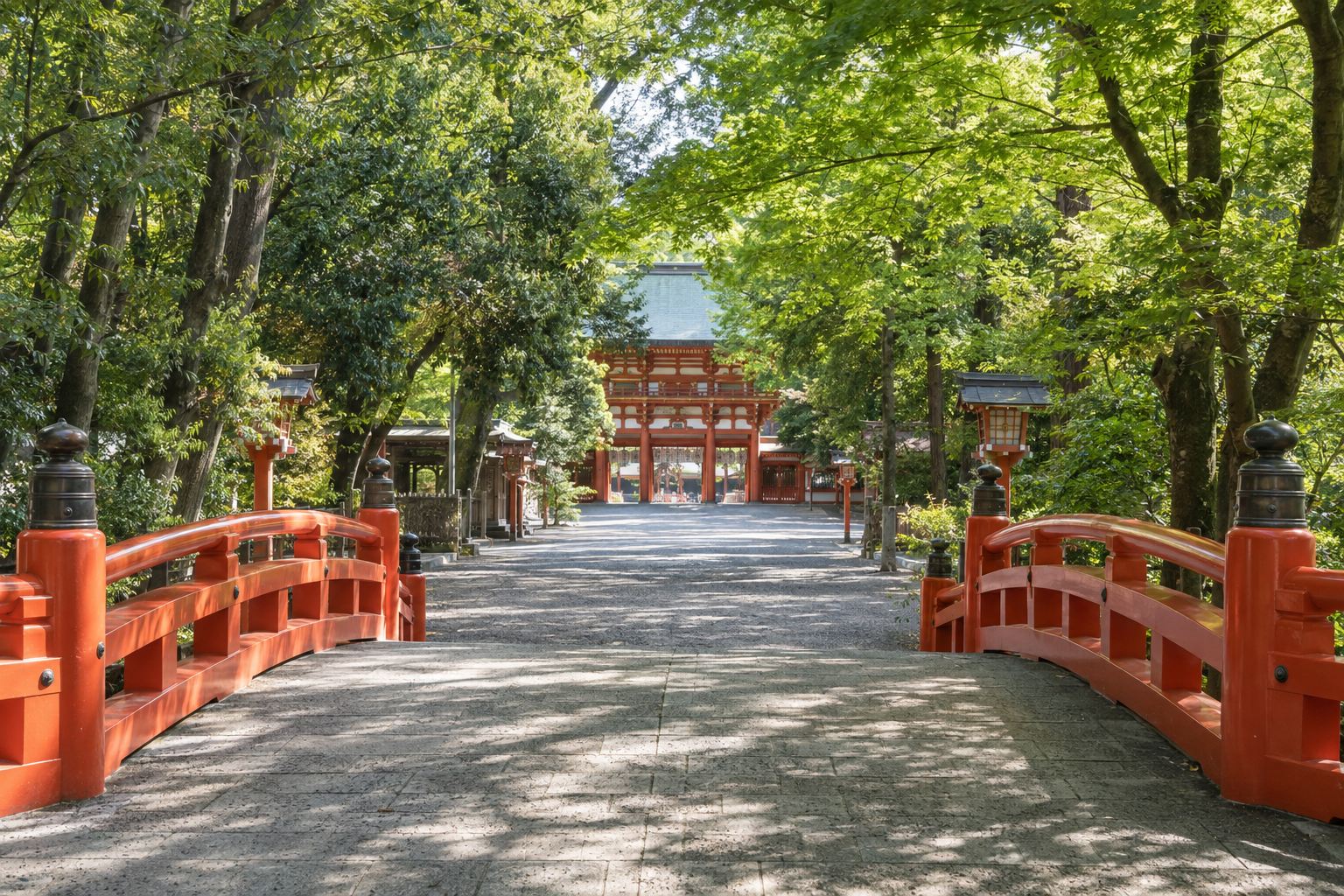
Saitama Prefecture is home to many historic shrines and temples. Hikawa Shrine in Omiya is said to have a history of approximately 2,400 years. The place name “Omiya” is believed to derive from a term meaning “large shrine.”
Kawagoe features sites where visitors can experience local history and culture, such as Kita-in Temple, Kawagoe Kumano Shrine, and Hikawa Shrine. The city is also known for traditional events like the Kawagoe Festival.
Local Specialties and Food Culture
Kawagoe is famous for its sweet potato-based cuisine and traditional Japanese confections. Kawagoe has been known as a sweet potato-producing region since the Edo period, and its sweet potatoes are affectionately known as “Kawagoe Imo.”
In the shopping districts, you can enjoy sweet potato confections, “daigaku imo” (roasted sweet potatoes), sweet potato soft-serve ice cream, and other sweet potato-based treats. Local cafes and restaurants also serve dishes made with ingredients unique to Kawagoe.
Why It’s Recommended for First-Time Visitors
Saitama Prefecture is accessible from Tokyo in about 30 minutes by train. Kawagoe, with its many tourist attractions, is also about an hour away by train. This makes it an easy destination to explore, whether for half a day or a full day.
Unlike large tourist cities, Kawagoe offers a relatively relaxed atmosphere where you can enjoy Japanese shrine culture, railway culture, Edo-period streetscapes, and local cuisine.
Sightseeing in Kawagoe, Staying in Omiya
When traveling in Saitama Prefecture, we recommend the combination of “sightseeing in Kawagoe and staying in Omiya.” Spend the day enjoying the historic streetscape in Kawagoe, then head to Omiya in the evening to enjoy dinner and drinks before staying the night. Another major appeal is that it’s easier to keep accommodation costs lower than in Tokyo.
Popular Tourist Spots for Foreign Visitors Are Concentrated in Kawagoe
In Kawagoe, popular tourist spots among foreign visitors are concentrated within walking distance of one another.
Toki no Kane: A bell tower considered the symbol of Kawagoe
Kawagoe Ichibangai Shopping Street: A street lined with traditional storehouse-style buildings
Kitain Temple: A historic temple
Kawagoe Kumano Shrine: A shrine known for matchmaking
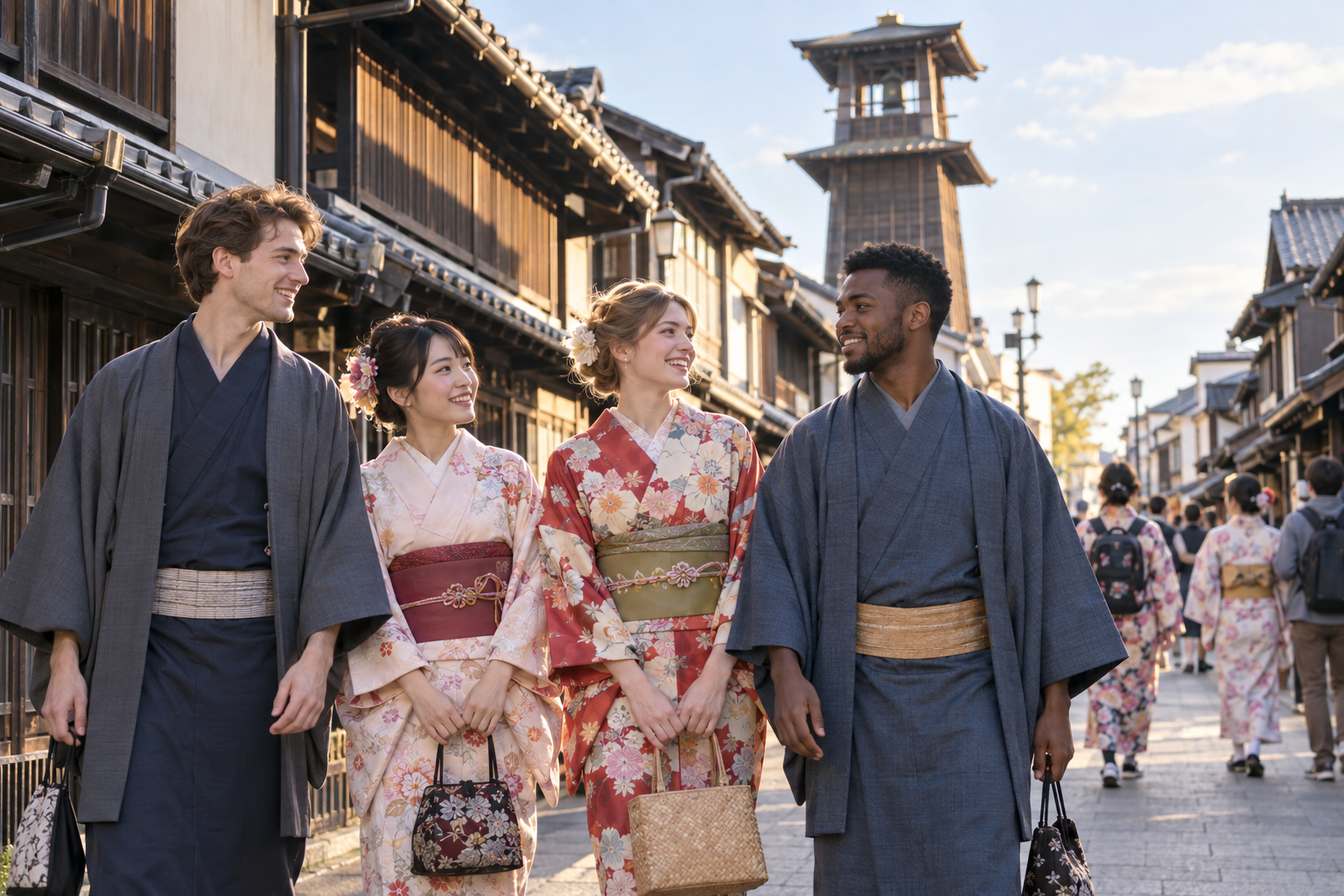
Since these attractions are close together, you can efficiently explore them in half a day to a full day. You can also enjoy trying on a kimono and sampling local street food.
Omiya is a bustling entertainment district with plenty of nightlife
Omiya is Saitama Prefecture’s premier entertainment district. The area around Omiya Station is home to numerous izakayas, bars, and restaurants. There are also adult-oriented entertainment venues (such as cabaret clubs) and adult entertainment establishments, making it ideal for travelers who want to experience Japan’s nightlife culture, the atmosphere where locals gather, and adult entertainment.
More Affordable Accommodations Than in Tokyo
Omiya is located about 30 minutes from Tokyo Station via the JR Line. The fact that it’s easier to keep accommodation costs lower than in Tokyo is a major advantage for travelers.
Comparison of Hotel Rates Between Omiya Station and Tokyo Station (3-Star Hotels)
The train fare from Tokyo Station to Omiya Station is 616 yen one way. Even for a round trip, it’s only 1,232 yen. Considering the difference in hotel rates (approximately 9,082 yen), staying in Omiya is a more cost-effective option.
Comparison of Accommodation Rates by Prefecture (2025)
Even when looking at Saitama Prefecture as a whole, average room rates are lower than those in Tokyo. Since room occupancy rates are also lower than in Tokyo, it may be easier to secure a reservation. However, since it tends to get crowded during peak seasons and on weekends, we recommend booking early.
Must-See Tourist Attractions in Saitama Prefecture
Kawagoe Hikawa Shrine
Kawagoe Hikawa Shrine is a historic shrine located in Kawagoe City, Saitama Prefecture. It is said to have a history of approximately 1,500 years and is cherished by local residents as the guardian shrine of Kawagoe.
Since it enshrines deities associated with marriage and family, it is known as a shrine where people pray for matchmaking, marital harmony, and family harmony. It is easily accessible from Kawagoe’s “Little Edo” area and is a popular tourist spot that can be easily combined with a visit to the Toki no Kane (Bell of Time) and the Kawagoe Ichiban-gai Shopping Street.
Highlights
A large torii gate approximately 15 meters tall
Historic Shrine Buildings
Amulets and ema for matchmaking
“Ichinen Antai Omikuji” fortune slips shaped like sea bream
The “Matchmaking Wind Chimes” event held in summer
Seasonal decorations and festivals
Why It’s Recommended for International Travelers
At Kawagoe Hikawa Shrine, you can experience Japanese shrine culture while learning about the Japanese belief in praying for matchmaking and family happiness.
In particular, the “Matchmaking Wind Chimes” event held in the summer features numerous wind chimes decorating the shrine grounds. The scenery created by the sound of the wind chimes and the colorful strips of paper is a popular photo spot.
Although it is located a short distance from Kawagoe’s historic townscape, you can reach it by bus or on foot. We recommend combining a visit here with sightseeing at Kawagoe Ichiban-gai, the Clock Tower, and Kashiya Yokocho.
Access
You can reach the shrine from Kawagoe Station or Hon-Kawagoe Station via local buses or the sightseeing loop bus.
It’s a few minutes’ walk from the nearest bus stop. If walking from the Kawagoe Ichiban-gai Shopping Street or the area around the Bell of Time, it takes about 15 to 20 minutes.
Travel Tips
At shrines, it is customary to avoid walking directly through the center of the torii gate. The center is considered the path of the gods.
At the chozuya (water ablution pavilion), purify your hands and mouth before paying your respects. Please follow the instructions on the information boards.
Photography may be restricted inside the main hall and in prayer areas.
The site can get crowded during the summer “Enmusubi Wind Chime” festival, as well as on weekends and holidays.
The Railway Museum
The Railway Museum is a museum dedicated to railways located in Omiya Ward, Saitama City. It is known as a facility where visitors can learn about the history, technology, and future of Japan’s railways.
Inside the museum, actual railway vehicles—including steam locomotives, limited-express trains, and Shinkansen—are on display. There are also model trains, driving simulators, and hands-on exhibits.
Highlights
Steam locomotives and historic railway vehicles
Actual Shinkansen on display
Large-scale model railroad dioramas
Driving simulators
Exhibits that teach about railway mechanisms and technology
Views of trains from the rooftop and observation areas
Why It’s Recommended for International Travelers
Japan’s railways are known worldwide for their punctuality, safety, and technological prowess. At the Railway Museum, you can learn how Japan’s railways have evolved through actual rolling stock and hands-on exhibits.
It is highly recommended not only for families traveling with children but also for travelers interested in railways, design, and engineering.
Access
From Omiya Station, transfer to the Saitama New Urban Transit New Shuttle and get off at “Railway Museum Station.” The museum is just a short walk from the station. The ride from Omiya Station to Railway Museum Station takes about 3 minutes.
Travel Tips
A ticket is required for admission.
The museum may be crowded on weekends, holidays, and during school breaks.
Some hands-on experiences, such as the driving simulator, may require a numbered ticket, participation in a lottery, or a reservation.
Toki no Kane (Bell of Time)
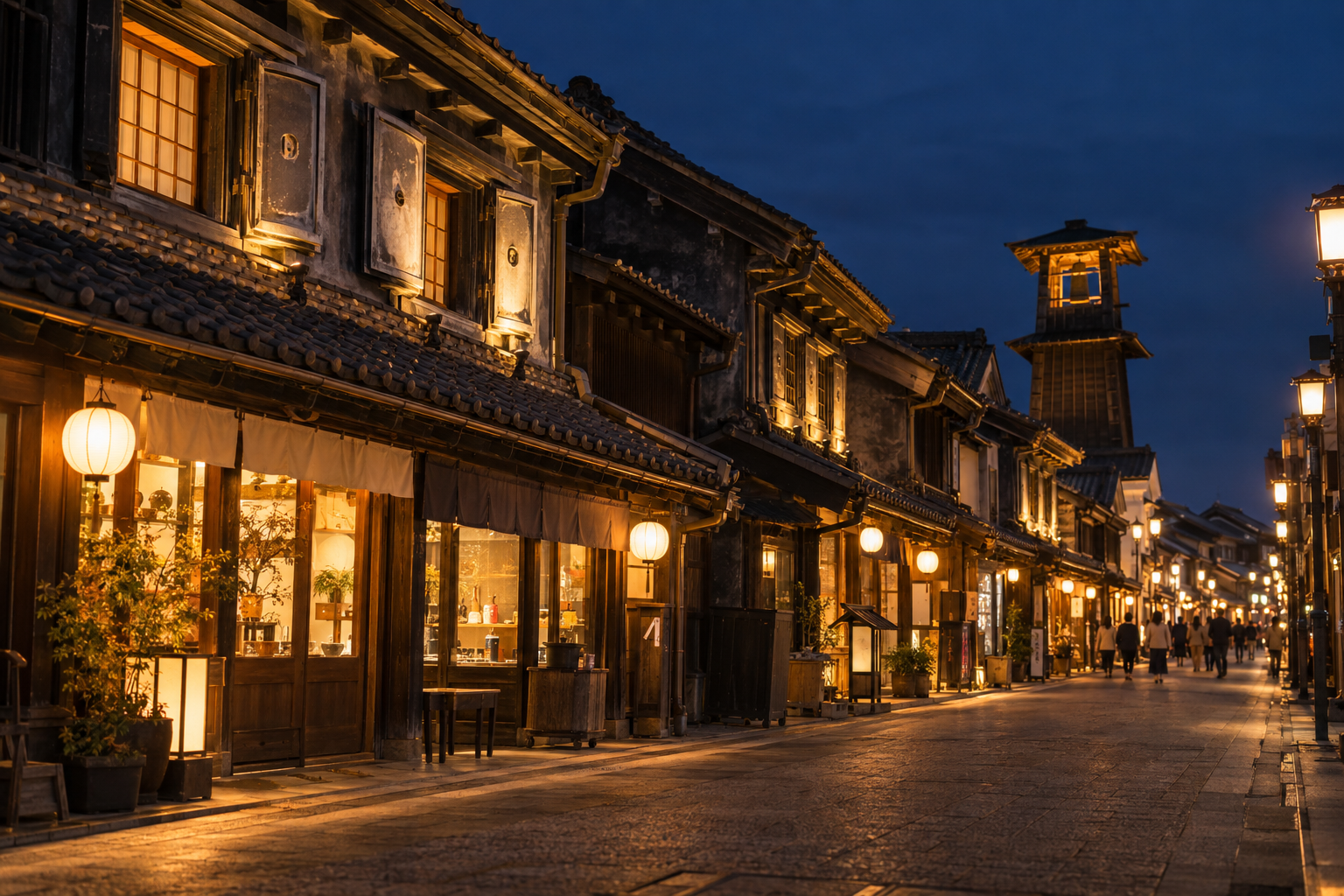
The Bell Tower is one of Kawagoe’s most iconic tourist attractions. This wooden bell tower, standing amid the traditional storehouse-style streetscape, is known as a symbol of Kawagoe.
The bell tower is said to have been built in the early Edo period. The current structure was rebuilt after a fire during the Meiji era.
The bell still rings several times a day. The sound of the bell is one of the defining features of Kawagoe’s historic streetscape.
Highlights
A wooden bell tower approximately 16 meters tall
Its harmonious blend with the traditional storehouse-style streetscape
The serene scenery in the morning and evening
A premier photo spot in Kawagoe
Why It’s Recommended for International Travelers
The Bell Tower is one of the best places to experience the “Little Edo” atmosphere of Kawagoe. It’s also an ideal spot for photography, as you can capture the traditional townscape and the bell tower together in a single shot.
Access
It takes about 10 minutes by bus from Kawagoe Station. From Hon-Kawagoe Station, it’s about a 13-minute walk.
You can also walk from Kawagoe Station, but the walk may take 25 minutes or more. On hot or rainy days, taking the bus is more convenient.
Travel Tips
You cannot enter the Toki no Kane bell tower. Only the exterior is open to visitors.
The surrounding area has heavy pedestrian traffic, and there are roads with vehicle traffic. Please be mindful of traffic when taking photos.
It gets particularly crowded on weekends and holidays.
Kawagoe Ichibangai Shopping Street
The Kawagoe Ichiban-gai Shopping Street is Kawagoe’s most iconic shopping district, lined with traditional storehouse-style buildings. Here, you can enjoy shopping and dining while soaking up the atmosphere of a commercial city from the Edo to the Meiji periods.
Even today, traditional buildings house Japanese confectionery shops, cafes, restaurants, variety stores, and craft shops.
Highlights
Traditional storehouse-style architecture
Specialty shops selling Japanese sweets and sweet potato confections
Restaurants and cafes featuring local ingredients
Craft and souvenir shops
Historic streetscape leading to the Toki no Kane (Bell of Time)
Shops where you can enjoy eating on the go
Why It’s Recommended for International Travelers
The Kawagoe Ichiban-gai Shopping Street is the area where you can best experience the charm of Kawagoe, often called “Little Edo.” You can stroll while admiring the buildings, sample Japanese sweets and sweet potato confections, and browse for local souvenirs.
Access
It takes about 10 minutes by bus from Kawagoe Station, or about 10 minutes on foot from Hon-Kawagoe Station.
Travel Tips
The area can get very crowded on weekends and holidays.
Some shops may accept cash only.
Please check with the shops or local information centers to confirm whether eating while walking is permitted in a particular area.
Since trash cans may be scarce, please return your trash to the shop where you made your purchase or take it home with you.
Kawagoe Kumano Shrine
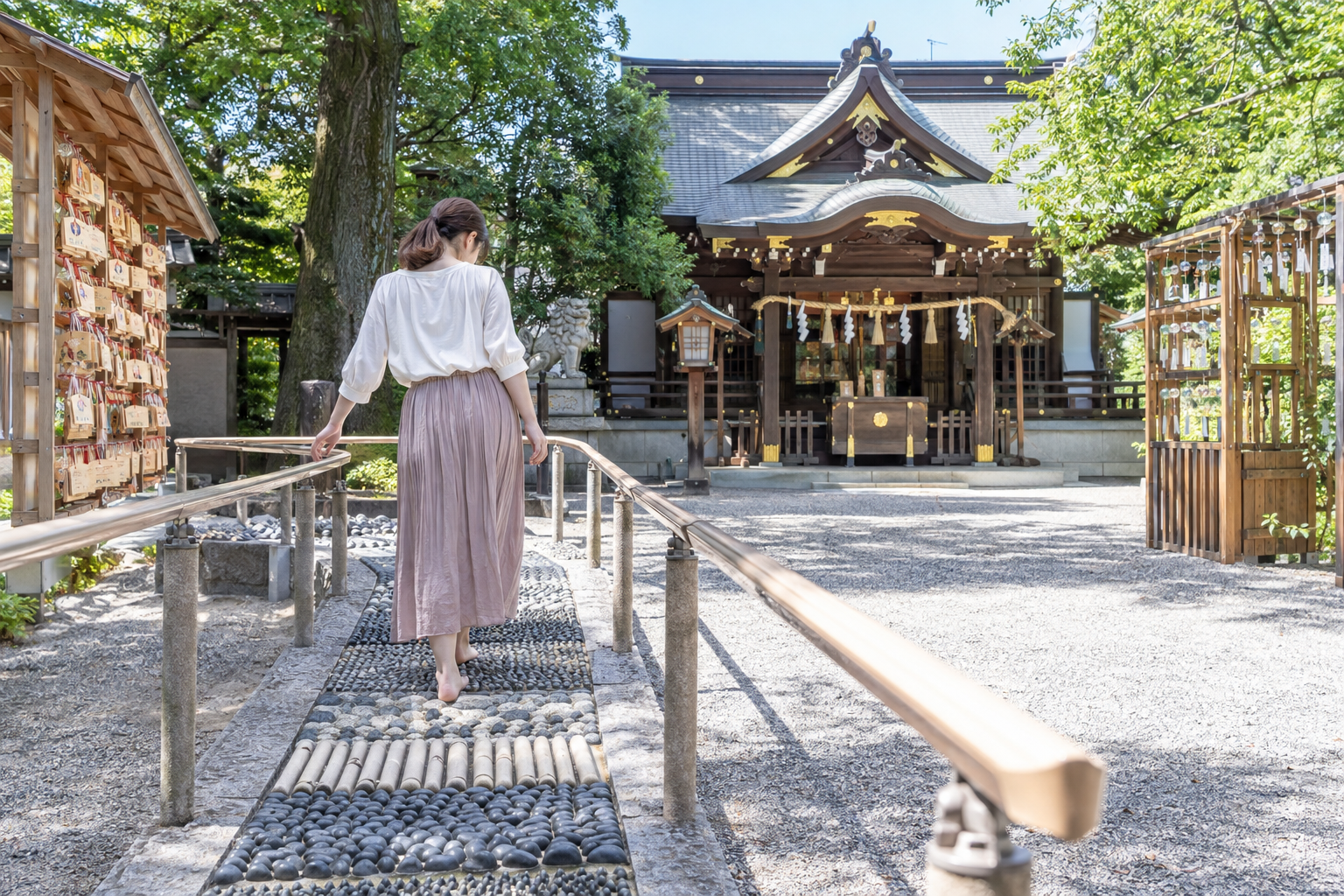
Kawagoe Kumano Shrine is a shrine located in Kawagoe City. It is known for matchmaking, prayers for health, and good fortune. It is said to have been founded as a shrine associated with Kumano Hongu Taisha.
It is located near the Ichiban-gai Shopping Street and the Bell of Time, making it an easy stop during a stroll through Kawagoe.
Highlights
Amulets for matchmaking and good fortune
The Foot-Stomping Health Path
The serene shrine grounds
A convenient location for a stop during a tour of Kawagoe
Why It’s Recommended for International Travelers
In addition to traditional shrine visits, you can enjoy unique experiences like the Foot-Stomping Health Path. Another attraction is how easily it can be incorporated into a walking route around the Kawagoe Ichiban-gai area.
Access
It’s about a 7-minute walk from Hon-Kawagoe Station. From the Kawagoe Ichiban-gai Shopping Street, it’s approximately a 5-minute walk.
Things to Keep in Mind When Visiting
You’ll need to remove your shoes to use the Foot-Stomping Health Path.
Please use the path quietly so as not to disturb other visitors.
Crowd levels vary depending on holidays and events.
Belluna Dome
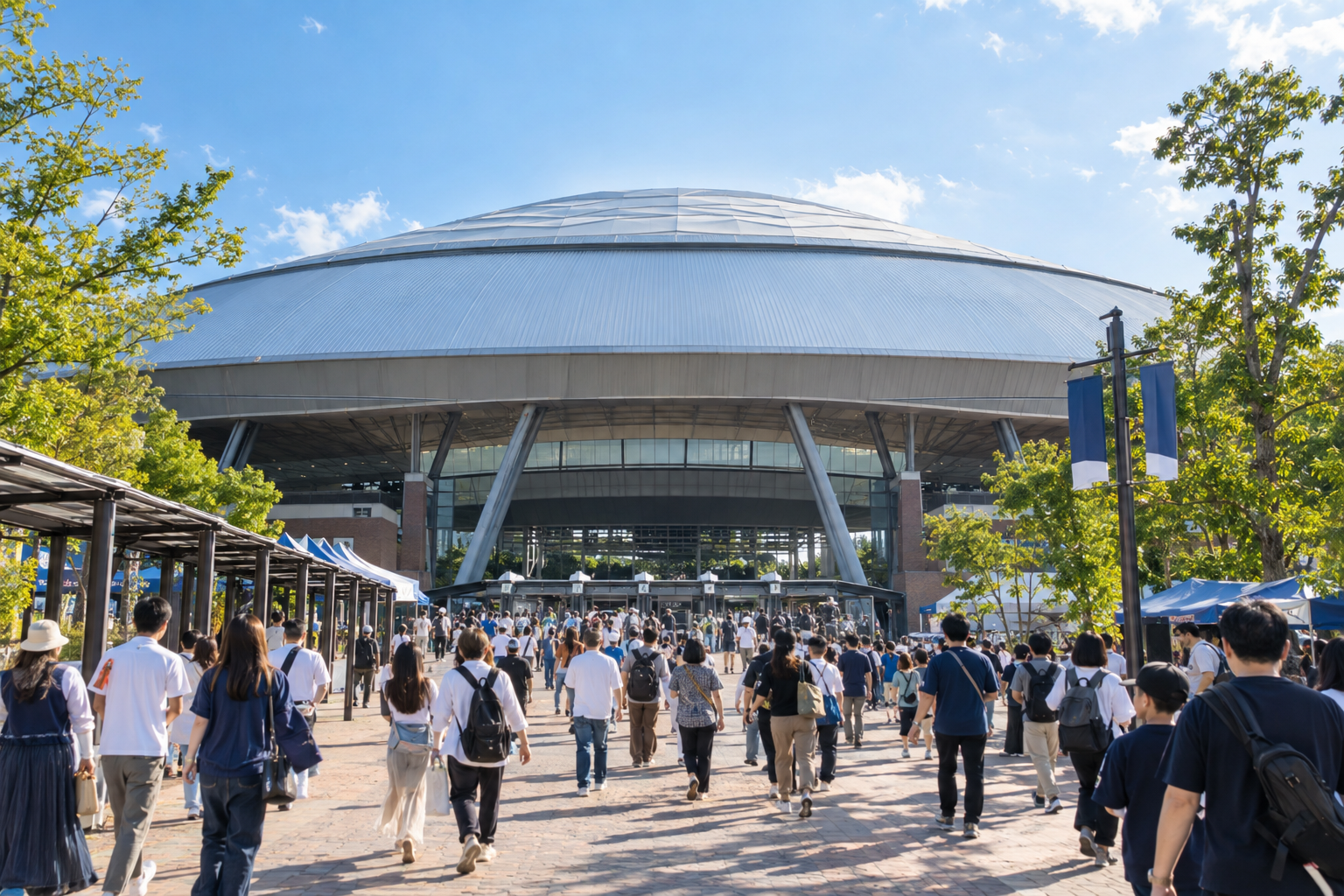
Belluna Dome is a multipurpose stadium located in Tokorozawa City, Saitama Prefecture. It is known as the home stadium of the Saitama Seibu Lions, a professional baseball team.
In addition to baseball games, the stadium also hosts concerts and large-scale events.
Highlights
Watching a Japanese Professional Baseball Game
The Saitama Seibu Lions’ Cheering Culture
Stadium Cuisine
Concerts and Events
A spacious, open-air dome stadium
Why It’s Recommended for International Travelers
Watching a Japanese professional baseball game allows you to experience Japan’s unique fan culture, including cheering songs, team colors, and the sense of unity among the crowd. It’s highly recommended for travelers who love sports or are interested in Japanese entertainment.
Access
It’s just a short walk from “Seibu-Kyujo-mae Station” on the Seibu Line.
From Omiya Station, the journey takes approximately 40 to 50 minutes, including several transfers. Since travel time varies depending on the lines used and the time of day, please check a route planner in advance.
Travel Tips
Stations and the surrounding area get crowded on game days and event days.
We recommend purchasing tickets in advance.
Rules regarding bringing in food and drinks, as well as re-entry policies, vary by event.
Kitain Temple
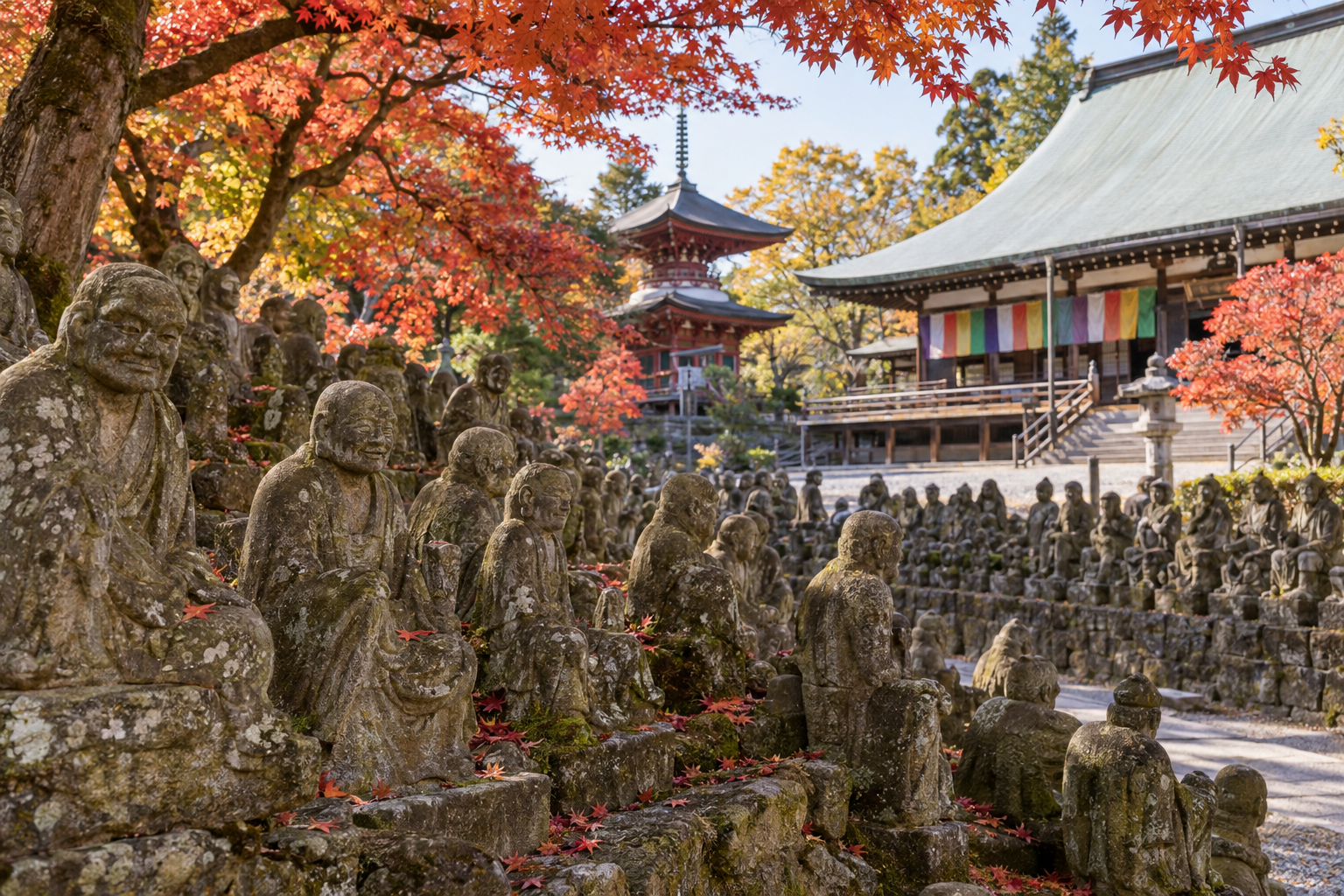
Kita-in is a Tendai Buddhist temple located in Kawagoe City. It is said to have been founded in 830. The temple has deep ties to the Tokugawa family and is a place where visitors can experience the history of the Edo period.
Within the temple grounds are buildings said to have been relocated from Edo Castle, as well as the Five Hundred Arhats, a row of stone Buddha statues.
Highlights
The building said to be the birthplace of Tokugawa Iemitsu
Architecture said to have been relocated from Edo Castle
The Five Hundred Arhats
Seasonal Scenery on the Temple Grounds
Temple Culture Beloved as “Kawagoe Daishi”
What Are the Five Hundred Arhats?
The Five Hundred Arhats are a group of stone statues representing disciples who attained enlightenment in Buddhism. Kita-in features many Arhat statues with a variety of expressions and poses. It is also known as a place where visitors can enjoy looking for faces that resemble themselves or their acquaintances.
Why It’s Recommended for International Travelers
At Kita-in, you can enjoy temple architecture, the history of the Tokugawa clan, and stone Buddha culture all at once. It is recommended for travelers interested not only in Kawagoe’s shopping districts but also in Japanese religious culture and the history of the Edo period.
Access
It takes about 10 minutes by bus or about 20 minutes on foot from Kawagoe Station. From Hon-Kawagoe Station, it is about a 15-minute walk.
Things to Keep in Mind When Visiting
You may be required to remove your shoes when touring the interior of the buildings.
Admission fees apply to certain areas.
Please check the photography rules in the Five Hundred Arhats area and inside the buildings.
When traveling from Tokyo to Omiya, the most common method is to take the JR lines.
From Tokyo Station, you can reach Omiya Station via the JR Keihin-Tohoku Line, Ueno-Tokyo Line, Takasaki Line, Utsunomiya Line, and others.
Departure Stations: Tokyo Station, Ueno Station, Ikebukuro Station, Shinjuku Station, etc.
Arrival Station: Omiya Station
Estimated Travel Time: About 30–40 minutes from Tokyo Station
Transfers: Varies depending on the line used
Reserved Seats: Generally not required
Trains are crowded during rush hour. If you have large luggage, it’s easier to travel if you avoid the morning and evening rush hours.
Access to Kawagoe
You can reach Kawagoe from several stations in Tokyo.
From Shinjuku Station
You can take the JR Saikyo Line or Kawagoe Line to Kawagoe Station. Some trains operate as through services.
Estimated travel time: About 1 hour
Destination station: Kawagoe Station
From Ikebukuro Station
Take the Tobu Tojo Line to Kawagoe Station or Kawagoe-shi Station.
Estimated travel time: About 30 to 40 minutes
Destination stations: Kawagoe Station, Kawagoe-shi Station
From Omiya Station
Take the JR Kawagoe Line to Kawagoe Station.
Estimated travel time: About 30 minutes
Destination station: Kawagoe Station
Stations near the tourist area include Hon-Kawagoe Station, Hon-Kawagoe Station on the Seibu Shinjuku Line, Kawagoe-shi Station on the Tobu Tojo Line, and Kawagoe Station on the JR and Tobu Tojo Lines. Choose which station to use based on the places you want to visit.
Access to Saitama Prefecture from Major Cities Such as Osaka and Kyoto
From Osaka and Kyoto
When traveling to Saitama Prefecture from Osaka or Kyoto, the most common route is to take the Tokaido Shinkansen to Tokyo Station and then transfer to a JR line at Tokyo or Ueno.
From Osaka
From Shin-Osaka Station to Tokyo Station: About 2 hours and 30 minutes via the Tokaido Shinkansen
From Tokyo Station to Omiya Station: About 30–40 minutes via the JR line
Estimated total travel time: About 3 to 3 hours and 30 minutes
From Kyoto
From Kyoto Station to Tokyo Station: About 2 hours and 15 minutes on the Tokaido Shinkansen
From Tokyo Station to Omiya Station: About 30–40 minutes on the JR line
Estimated total travel time: Around 3 hours
From Nagoya
From Nagoya Station to Tokyo Station: About 1 hour and 40 minutes on the Tokaido Shinkansen
From Tokyo Station to Omiya Station: About 30–40 minutes via the JR Line
Estimated total travel time: Around 2 hours and 30 minutes
The Shinkansen gets crowded during peak seasons. If you’re traveling during the New Year’s holidays, Golden Week, Obon, or other long weekends, we recommend reserving a reserved seat well in advance.
If you’re heading to Kawagoe, another convenient route is to travel from Tokyo Station to Shinjuku Station or Ikebukuro Station, then take the JR Saikyo Line, Kawagoe Line, or Tobu Tojo Line.
Getting to Saitama Prefecture from the Nearest Airport
Since there are no major international airports in Saitama Prefecture, travelers typically use Haneda Airport or Narita Airport.
From Haneda Airport
You can get from Haneda Airport to Omiya Station by airport limousine bus or train.
By Train
Take the Keikyu Line or Tokyo Monorail toward central Tokyo, then transfer to a JR line bound for Omiya Station.
Estimated travel time: Approximately 1 hour 30 minutes to 2 hours
Transfers: About 1 to 2 times
By Airport Limousine Bus
Airport limousine buses may operate from Haneda Airport to the area around Omiya Station. This is convenient if you have large luggage.
Service schedules, boarding locations, travel times, and reservation requirements are subject to change. Please check the bus company’s or the airport’s official website before traveling.
From Narita Airport
You can travel from Narita Airport to Omiya Station by train or airport limousine bus.
When using the train
Take the Narita Express, Keisei Skyliner, or Keisei Main Line toward central Tokyo, then transfer to a JR line to head to Omiya Station.
Estimated travel time: About 2 to 2 hours and 30 minutes
Transfers: Varies depending on the route
By Airport Limousine Bus
Airport buses may be available from Narita Airport to the area around Omiya Station. While the travel time may be longer than by train, this option may reduce the number of transfers required.
Please check the official websites of the airport, bus companies, and railway companies for the latest service information.
Getting Around Saitama Prefecture
Areas Easy to Explore on Foot
The tourist areas of Kawagoe are easy to explore on foot.
The following spots can be combined via walking or short bus rides.
Toki no Kane (Bell of Time)
Kawagoe Ichiban-gai Shopping Street
Kawagoe Kumano Shrine
Kita-in Temple
Kashiya Yokocho (Confectionery Alley)
Kawagoe Hikawa Shrine
However, the tourist area is a considerable distance from Kawagoe Station, Hon-Kawagoe Station, and Kawagoe-shi Station. If you’re visiting for the first time or want to make the most of your time, it’s convenient to use a bus or the sightseeing loop bus.
Bus
From Kawagoe Station and Hon-Kawagoe Station, you can reach the tourist area using local buses or the Koedo Loop Bus.
This is convenient for visiting Ichiban-gai, the Bell of Time, Kita-in Temple, Kawagoe Hikawa Shrine, and other sites. Please check the route, schedule, and fares before boarding, as they are subject to change.
Train
The JR Kawagoe Line is convenient for traveling between Omiya Station and Kawagoe Station.
To get to the Railway Museum, take the Saitama New Urban Transit New Shuttle from Omiya Station. Get off at Railway Museum Station, and you’ll arrive right at the museum.
Taxi
Taxis are convenient on rainy or hot days, when you have large luggage, or when you want to visit multiple sightseeing spots in a short amount of time.
Since roads in central Kawagoe can get congested, be sure to allow plenty of time when using taxis on weekends and holidays.
Rental Bicycles
There are facilities in Kawagoe where you can rent bicycles. This is convenient if you want to sightsee at your own pace, but you may need to dismount and walk your bike through crowded shopping districts.
One-Day Passes
One-day unlimited ride passes may be available for services such as the Ko-Edo Loop Bus. If you plan to visit multiple tourist spots by bus, this can be a cost-effective option.
Please check in advance, as sales locations, eligible routes, fares, and operating days are subject to change.
Gourmet and Cultural Experiences to Enjoy in Saitama Prefecture
Sweet Potato Confectionery
Kawagoe is famous for its sweet potato confectionery. There is a wide variety of products available, including imo-kenpi, daigaku-imo, imo-yokan, sweet potatoes, and sweet potato soft-serve ice cream.
Around the Kawagoe Ichiban-gai Shopping Street and the Confectionery Alley, you can purchase traditional Japanese sweets to eat on the go or take home as souvenirs.
Street Food in Kawagoe
In Kawagoe’s shopping districts, you can enjoy dango, senbei, sweet potato skewers, fried foods, and other sweets.
However, please note that some shops and areas ask that you refrain from eating while walking. Please follow local rules, such as eating near the shop where you made your purchase and returning any trash to the shop.
Kimono Experience
There are shops in Kawagoe where you can rent kimonos and yukatas. They are popular among travelers who want to stroll through the town’s traditional storehouse-style streets while wearing a kimono.
Since kimonos can sometimes be difficult to walk in, we recommend avoiding long walks and taking breaks while sightseeing. We also recommend making reservations on weekends and during peak tourist seasons.
Pottery and Traditional Crafts Workshops
In and around Kawagoe, there are facilities where you can try your hand at pottery, making traditional Japanese sweets, and other traditional crafts. Details such as the types of activities offered, languages supported, fees, duration, and whether reservations are required vary by facility.
If there’s a specific activity you’d like to try, please check the official website or booking sites before your trip.
Watching a Japanese Professional Baseball Game
At Belluna Dome, you can watch games featuring the Saitama Seibu Lions. Japanese professional baseball has a unique culture where spectators sing cheering songs and enjoy each team’s distinctive cheering style.
If you’re planning your trip around game dates, be sure to check ticket sales dates, seating options, rain-day policies, and how to get to the stadium.
Recommended Itinerary for First-Time Visitors to Saitama Prefecture
1-Day Itinerary
Morning: Visit the Railway Museum
After arriving at Omiya Station, take the New Shuttle to the Railway Museum. Spend about 2–3 hours exploring the museum’s collection of actual trains, model trains, and interactive exhibits.
Lunch: Lunch in Omiya or Kawagoe
Have lunch in the area around Omiya Station, or travel to Kawagoe via the JR Kawagoe Line and have lunch there.
Afternoon: Visit Kawagoe Hikawa Shrine and Stroll Through “Little Edo”
Take a bus from Kawagoe Station or Hon-Kawagoe Station to Kawagoe Hikawa Shrine. After paying your respects, take a stroll through Kashiya Yokocho (Confectionery Alley), the Bell of Time, and the Kawagoe Ichiban-gai Shopping Street.
Evening: Dinner in Kawagoe
Enjoy sweet potato dishes and local eateries around Kawagoe Station or Hon-Kawagoe Station. If you’re on a day trip, be sure to check your return train schedule before heading back to the station.
Sample 2-Day, 1-Night Itinerary
Day 1: Enjoy Omiya’s Railway Culture and Kawagoe’s Historic Streetscape
Morning
After arriving at Omiya Station, take the Saitama New Urban Transit New Shuttle to The Railway Museum Station. At The Railway Museum, you’ll see actual exhibits such as steam locomotives, Shinkansen trains, and historic limited-express trains.
The model train dioramas and driving simulators are also popular. If you plan to explore the museum thoroughly, you should allow about 2 to 3 hours.
Lunch
Have lunch at a restaurant inside The Railway Museum or in the area around Omiya Station. The area around Omiya Station offers many restaurants serving Saitama’s local specialties.
Afternoon
Take the JR Kawagoe Line from Omiya Station to Kawagoe Station. Upon arrival at Kawagoe Station, either leave your luggage at the hotel or use the coin-operated lockers at the station.
Afterward, head to the Kawagoe Ichiban-gai Shopping Street and stroll through the traditional storehouse-style streetscape. Visit the Toki no Kane (Bell of Time) and explore Japanese confectionery shops, sweet potato specialty shops, cafes, and craft stores.
If you have time, be sure to stop by Kashiya Yokocho as well. There, you can enjoy old-fashioned candy shops and sweets made with sweet potatoes.
Evening
Enjoy dinner around Kawagoe Station or Hon-Kawagoe Station. In Kawagoe, you’ll find restaurants serving eel dishes, sweet potato dishes, and local sake.
Since many shops in the Kawagoe Ichiban-gai area close in the evening, it’s convenient to look for dinner around Kawagoe Station or Hon-Kawagoe Station at night.
Day 2: Enjoying Kawagoe Hikawa Shrine and Its History and Culture
Morning
In the morning, head to Kawagoe Hikawa Shrine. Kawagoe Hikawa Shrine is said to have a history of about 1,500 years. It is known as a shrine where people pray for matchmaking, marital harmony, and family harmony.
On the shrine grounds, you can see the large torii gate, the main hall, amulets, and ema. The “Ichinen Antai Omikuji”—fortune slips shaped like sea bream—are also popular.
If you’re visiting in the summer, be sure to check if the “Enmusubi Wind Chime Festival” is taking place. The sight of countless wind chimes on display is a quintessential summer scene at Kawagoe Hikawa Shrine.
From Kawagoe Hikawa Shrine, you can walk or take a bus to Kashiya Yokocho and the Ichiban-gai Shopping Street.
Lunch
Have lunch in the area around the Kawagoe Ichiban-gai Shopping Street. You can choose from dishes featuring sweet potatoes, eel, soba, traditional Japanese cuisine, and café menus.
After lunch, we recommend looking for souvenirs such as sweet potato confections, traditional Japanese sweets, local condiments, and miscellaneous goods.
Afternoon
Visit Kitain Temple. Kitain Temple has deep ties to the Tokugawa clan; here, you can see buildings said to have been relocated from Edo Castle, as well as a group of stone statues depicting the Five Hundred Arhats.
Afterward, stop by Kawagoe Kumano Shrine. Known for matchmaking and prayers for good health, the shrine also offers experiences such as the “Foot-Stomping Health Path.”
If you have time, you can participate in cultural experiences such as kimono rentals, traditional Japanese confectionery-making, and pottery. Since advance reservations may be required for some cultural experiences, please check before your trip.
Evening
Head back from Kawagoe Station, Hon-Kawagoe Station, or Kawagoe-shi Station.
To return to the Tokyo area, you can take the Tobu Tojo Line toward Ikebukuro Station, the JR Saikyo Line or Kawagoe Line toward Shinjuku Station, or the Seibu Shinjuku Line toward Seibu Shinjuku Station.
Summary
Saitama Prefecture is a travel destination easily accessible from Tokyo where you can enjoy Edo-period streetscapes, Japanese shrine culture, railway history, and local cuisine.
In Omiya, you can enjoy the tranquil approach to Hikawa Shrine and the hands-on exhibits at the Railway Museum. In Kawagoe, you can explore the Bell of Time, the traditional storehouse-style streetscape, sweet potato confections, and traditional shopping districts.
While it’s possible to visit as a day trip, staying overnight allows you to take a leisurely stroll through Kawagoe’s streets and combine your visit with a kimono experience or a professional baseball game. Be sure to add Saitama Prefecture to your itinerary on your next trip to Japan.